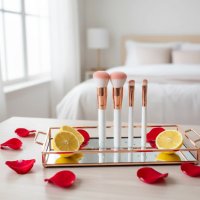
In an era of rapid beauty trends and ever-evolving cosmetics, vintage makeup brushes stand as a testament to timeless elegance, craftsmanship, and a touch of nostalgic charm. Far more than mere tools, these brushes offer a glimpse into beauty rituals of the past and continue to captivate collectors and enthusiasts alike with their unique aesthetic and often superior quality.
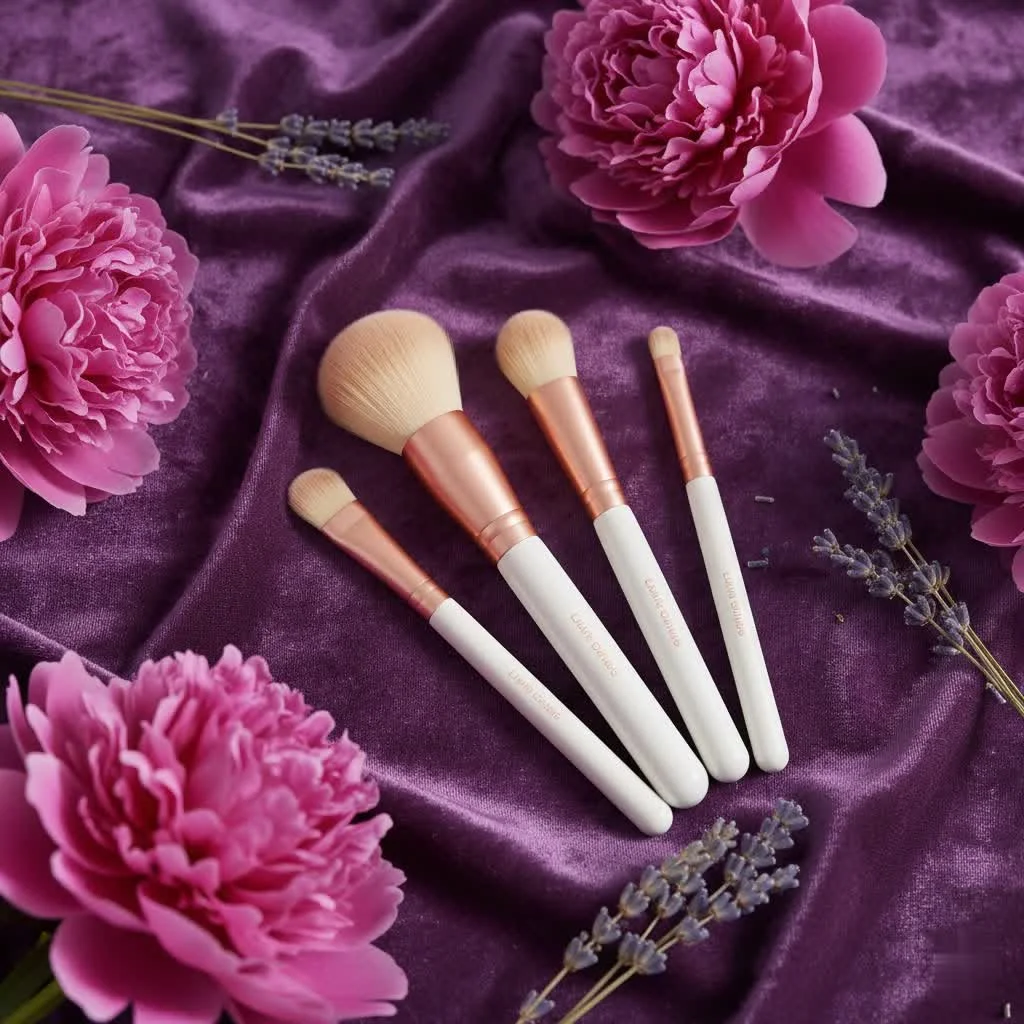
A Glimpse into the Past: The Evolution of Beauty Tools
The art of makeup application has a rich history, and the tools used have evolved significantly. In the mid-20th century, brushes were essential to achieving sophisticated looks. A 1961 beauty tutorial highlighted various specialized brushes, emphasizing their importance for a “perfect ’60s party face.” These included complexion brushes for cleansing and stimulating circulation, eyeshadow brushes for smooth artistry, eyeliner brushes for precise lines, foundation brushes for contouring, mascara brushes for even application, eyebrow brushes for shaping, powder brushes for removing excess product, and lip brushes for creating a truly beautiful lip line.
Materials used for vintage brushes often reflected the craftsmanship of the era. Many brushes from the 1950s and 1960s featured elegant celluloid stands and handles, or sometimes bamboo. [Vera Gin, Liveable Vintage: Vintage Makeup Brushes] These materials, combined with natural hair bristles, created tools that were both functional and beautiful, often passed down through generations. [Vera Gin, Liveable Vintage: Vintage Makeup Brushes]
The Allure of Authentic Vintage Brushes
For many, the appeal of vintage makeup brushes lies in their unique design and the stories they tell. Collectors are drawn to the intricate details, the historical significance, and the palpable sense of a bygone era. Unlike mass-produced modern alternatives, authentic vintage brushes often boast a handcrafted quality, featuring natural hair bristles and sturdy wooden or celluloid handles.
The feel of natural bristles, common in older brushes, is frequently described as exceptionally soft and plush, offering a gentle touch during application. This can result in a subtle, seamless blend for powder products, which many users find soothing and effective, especially for a more ritualistic makeup routine. Brands like Helena Rubenstein were known for their quality brushes, which some still use daily with great satisfaction. [Vera Gin, Liveable Vintage: Vintage Makeup Brushes]
Vintage-Style vs. True Vintage: What’s the Difference?
It’s important to distinguish between “true vintage” brushes—actual antique items from decades past—and “vintage-style” brushes, which are newly manufactured but designed to emulate a retro aesthetic. While vintage-style brushes capture the visual charm of earlier eras, true vintage brushes offer historical authenticity and often a different performance due to their original materials and construction. The choice between them often comes down to a preference for historical accuracy versus modern functionality with a classic look.
Modern Meets Classic: Vintage vs. Contemporary Brushes
|
Our Picks for the Best Makeup Brushes in 2026
As an Amazon Associate I earn from qualifying purchases.
|
||
| Num | Product | Action |
|---|---|---|
| 1 | Flat Top Kabuki Foundation Brush By KESHIMA - Premium Makeup Brush for Liquid, Cream, and Powder - Buffing, Blending, and Face - 1.2\" Top Diameter |

|
| 2 | BS-MALL Makeup Brush Set 18 Pcs Premium Synthetic Foundation Powder Concealers Eye shadows Blush Makeup Brushes with black case |
|
| 3 | BS-MALL Makeup Brushes Premium Synthetic Foundation Powder Concealers Eye Shadows 14 Pcs Purple for Makeup Beginner or Professional with Travel Case |
|
| 4 | BEAKEY Makeup Brushes Set, Professional Foundation Eyeshadow Concealer Blush Powder Bronzer Applicator, 2 Blender Sponge with Beauty Paper Case |
|
| 5 | BS-MALL Professional Makeup Brush Set 18 Pcs Premium Synthetic Foundation Powder Concealers Eye Shadows Blush Makeup Brushes with Travel Case (Matte white beige) |
|
| 6 | 1/2 PCS Lymphatic Contour Face Brush for Sculpting – Anti-Puffiness, Detox & Lift, Improves Skin Glow & Absorption (1 Pcs Contour Face Brush) |
|
| 7 | MAANGE 20 Pcs Makeup Brushes with Gift Box, Double-End Multi-functional Makeup Brushes for Blending Liquid Powder Concealer Cream Blush Buffe,CoffeeBrown |
|
| 8 | LAURA GELLER NEW YORK Cosmetic Professional Makeup Brushes - Cruelty-Free - 05 Full Face Brush Set 5pc |
|
| 9 | EcoTools Sea Gems Cream Blush Brush, Liquid & Cream Blush Makeup Brush for Smooth Buildable Cheek Color, Dense Rounded Bristles, Sustainable Design, Vegan & Cruelty-Free, 1 Count |
|
| 10 | Professional Makeup Brushes BS-MALL With Travel Case - Kabuki Brush Eyeshadow Brush, Concealer Brush, Blush Brush Bronzer & Foundation Brush 20 Pcs, Labeled Daily Use & Versatile Occasions Gift Box |
|
The debate between vintage and modern makeup brushes often boils down to personal preference and priorities. Each has distinct characteristics:
| Feature | Vintage Brushes (Authentic) | Modern Brushes (Contemporary) |
|---|---|---|
| Bristle Material | Natural hair blend (sable, goat) | Synthetic fibers (high-density layering) |
| Handle Material | Wood with vintage lacquer, celluloid | Aluminum alloy with ergonomic design |
| Softness | Very soft, plush | Soft but firmer |
| Brush Density | Medium-low | High |
| Blending Quality | Good but subtle, excels with powders | Excellent for seamless blending, especially liquids/creams |
| Durability | Delicate, prone to wear, requires careful upkeep | Highly durable and resistant |
| Cleaning Ease | Requires gentle handwashing, dries slowly | Often machine washable, dries faster |
| Primary Use | Sentimental application, ritual, powder products | Daily performance, precision, all product types |
| Hygiene | Can soak up product deeply, requires meticulous cleaning | Resists bacterial buildup better, easier to sanitize |
While modern synthetic brushes offer superior durability, faster drying times, and excellent blending for a wide range of products due to their dense, uniform fibers and ergonomic handles, vintage natural hair brushes are lauded for their unmatched softness and gentle application, particularly for powders. The choice largely depends on whether you prioritize daily practicality and hygiene or the unique tactile experience and aesthetic of historical beauty tools.
Preserving Your Timeless Treasures: Care and Restoration
Caring for vintage makeup brushes requires a gentle touch to ensure their longevity and maintain their beauty. Proper cleaning is crucial to prevent damage and uphold hygiene standards.
Step-by-Step Cleaning Guide:
- Choose a Mild Cleanser: Opt for gentle, fragrance-free baby shampoos or specialized brush cleansers. Avoid harsh detergents or alcohol-based solutions that can strip natural oils or damage materials.
- Dip and Swirl Carefully: Dip only the bristle tips into a solution of cleanser and lukewarm water. Gently swirl the brush in your palm or on a silicone cleaning mat, taking care not to submerge the ferrule (the metal part connecting bristles to the handle). Water seeping into the ferrule can loosen glue or cause rust.
- Rinse Thoroughly: Rinse bristles under lukewarm running water, tilting the brush downwards to prevent water from entering the ferrule.
- Squeeze and Reshape: Gently squeeze excess water from the bristles with a clean towel. Carefully reshape the brush head with your fingers to maintain its original form.
- Dry Properly: Lay the brush flat on a dry towel with the bristles hanging off the edge of a counter. Never dry them upright, as this can allow water to seep into the handle and cause damage.
Expert Tips for Longevity:
- Storage: Store brushes in a protective holder or case, away from extreme humidity or direct sunlight, which can dry out wooden handles or fade bristles.
- Conditioning: For natural bristles, occasional conditioning with a gentle brush conditioner (avoiding commercial hair conditioners with silicones) helps keep them supple. A tiny bit of coconut oil can also serve as a natural conditioner for bristles.
- Material-Specific Care: Wooden handles benefit from periodic moisturizing with wood-safe oils to prevent cracking. Metal ferrules should be wiped dry immediately after cleaning to prevent rust.
- Frequency: Aim to clean vintage brushes every 2-4 weeks, depending on usage, to balance hygiene with gentle preservation.
Where to Find Vintage Makeup Brushes
For those seeking to add vintage brushes to their collection, various avenues exist. Antique stores, flea markets, and estate sales can unearth hidden gems. Online marketplaces such as Etsy and eBay are popular platforms where individual sellers offer a wide array of vintage and antique beauty tools, from ornate silver-plated designs to classic celluloid sets. [Etsy and eBay results, concise_search 1 & 2] Additionally, some contemporary brands offer “vintage-inspired” collections, blending old-world aesthetics with modern materials and performance.
Embracing Timeless Beauty
Whether you’re a seasoned collector, a makeup artist seeking unique tools, or simply someone who appreciates the beauty of history, vintage makeup brushes offer a captivating blend of artistry, function, and charm. From their rich history and distinctive materials to the meticulous care they require, these timeless beauty instruments remind us that true elegance often lies in appreciating the enduring quality of the past.
Build a cleanser routine that actually works
Free PDF — pH data on 22 popular cleansers + simple routine card.