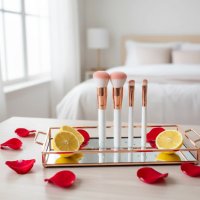
Achieving a polished, professional makeup look starts with the right tools. While quality makeup products are essential, the brushes you use can make all the difference between a streaky application and a truly flawless complexion. Understanding the various types of face makeup brushes, their specific uses, and proper application techniques is key to elevating your beauty routine.
Why the Right Brushes Are Non-Negotiable
Just as an artist relies on a diverse set of brushes for their masterpiece, your makeup application benefits immensely from specialized tools. The correct brush can seamlessly blend products, build coverage where needed, and ensure a smooth, even finish. Beyond aesthetics, using dedicated brushes helps maintain hygiene, preventing product buildup and potential skin issues.
Essential Face Makeup Brushes and Their Uses
Navigating the world of makeup brushes can seem overwhelming, but a few core types are indispensable for face makeup:
Foundation Brushes
Foundation brushes are designed to create a smooth, uniform base. Different styles offer varying finishes:
- Flat Foundation Brush: Ideal for liquid or cream foundations, these brushes are shaped like paintbrushes and provide an even layer of product with good coverage.
- Buffing Foundation Brush: Featuring dense, usually rounded or flat-top bristles, buffing brushes work liquid or cream foundations into the skin with circular motions for a streak-free, airbrushed look.
- Stippling Brush: Characterized by bristles of two distinct lengths, stippling brushes are excellent for layering liquid or cream products like foundation or primer, offering a lighter, diffused finish. Use a bouncing or stippling motion to blend.
Concealer Brushes
Smaller and often tapered or flat, concealer brushes are used for precise application in targeted areas. A round concealer brush can be used with circular motions under the eyes to brighten, while a stippling motion helps cover blemishes effectively.
Powder Brushes
These large, fluffy brushes are perfect for dusting loose or pressed powders evenly across the face to set makeup, reduce shine, or apply powder foundation. For heavier powder foundation coverage, opt for a brush with slightly denser bristles.
Blush Brushes
Typically smaller than powder brushes with a soft, dome shape, blush brushes are designed to apply color to the apples of the cheeks or along the cheekbones. The size and density can vary based on whether you desire a sheer wash of color or more intense pigmentation.
Bronzer Brushes
Often wide, fluffy, and sometimes angled, bronzer brushes help disperse bronzing powders evenly. Apply bronzer to your temples, hollows of your cheeks, and jawline using a sweeping “3” shape for a natural, sun-kissed glow.
Contour Brushes
|
Our Picks for the Best Makeup Brushes in 2026
As an Amazon Associate I earn from qualifying purchases.
|
||
| Num | Product | Action |
|---|---|---|
| 1 | MAANGE 20 Pcs Makeup Brushes with Gift Box, Double-End Multi-functional Makeup Brushes for Blending Liquid Powder Concealer Cream Blush Buffe,CoffeeBrown |

|
| 2 | BS-MALL Professional Makeup Brush Set 18 Pcs Premium Synthetic Foundation Powder Concealers Eye Shadows Blush Makeup Brushes with Travel Case (Matte white beige) |
|
| 3 | 1/2 PCS Lymphatic Contour Face Brush for Sculpting – Anti-Puffiness, Detox & Lift, Improves Skin Glow & Absorption (1 Pcs Contour Face Brush) |
|
| 4 | Flat Top Kabuki Foundation Brush By KESHIMA - Premium Makeup Brush for Liquid, Cream, and Powder - Buffing, Blending, and Face - 1.2\" Top Diameter |
|
| 5 | BS-MALL Makeup Brush Set 18 Pcs Premium Synthetic Foundation Powder Concealers Eye shadows Blush Makeup Brushes with black case |
|
| 6 | BS-MALL Makeup Brushes Premium Synthetic Foundation Powder Concealers Eye Shadows 14 Pcs Purple for Makeup Beginner or Professional with Travel Case |
|
| 7 | BEAKEY Makeup Brushes Set, Professional Foundation Eyeshadow Concealer Blush Powder Bronzer Applicator, 2 Blender Sponge with Beauty Paper Case |
|
| 8 | Professional Makeup Brushes BS-MALL With Travel Case - Kabuki Brush Eyeshadow Brush, Concealer Brush, Blush Brush Bronzer & Foundation Brush 20 Pcs, Labeled Daily Use & Versatile Occasions Gift Box |
|
| 9 | LAURA GELLER NEW YORK Cosmetic Professional Makeup Brushes - Cruelty-Free - 05 Full Face Brush Set 5pc |
|
| 10 | EcoTools Sea Gems Cream Blush Brush, Liquid & Cream Blush Makeup Brush for Smooth Buildable Cheek Color, Dense Rounded Bristles, Sustainable Design, Vegan & Cruelty-Free, 1 Count |
|
Contouring brushes usually have dense, angled bristles that allow for precise application of powder or cream contour products. Their shape helps sculpt and define facial features, creating natural shadows.
Choosing Your Brushes: Natural vs. Synthetic Bristles
The material of your brush bristles plays a crucial role in application:
- Natural Hair Brushes: Often made from animal hair, these brushes are excellent for picking up and blending powder products due to their porous texture. They excel at diffusing color for a soft, seamless finish.
- Synthetic Bristles: Made from man-made materials like nylon, synthetic brushes are ideal for liquid and cream products. They don’t absorb product, ensuring a streak-free and precise application. High-quality synthetic brushes are durable and easy to clean.
Mastering Application Techniques
Beyond selecting the right brush, proper technique is paramount:
- Grip: Hold brushes mid-handle for general application and control. For delicate work like eyeliner or brows, grip closer to the ferrule (the metal part) for precision.
- Motion: For foundation, use gentle, circular buffing motions, starting from the center of your face and working outwards. For setting powders, light dusting motions are best. When applying cream or liquid products, always press, tap, or gently flick the product into the skin rather than dragging, which can cause streaks.
- Pressure: Use a lighter touch for blending powders and blushes to achieve a soft, natural look. Avoid pressing too hard, which can bend the bristles and lead to uneven application.
Maintaining Your Tools: How to Clean Face Makeup Brushes
Regular cleaning of your makeup brushes is vital for both product performance and skin health. Dirty brushes accumulate product residue, dirt, oil, and bacteria, which can lead to breakouts, rashes, and even infections.
Aim to deep clean your face makeup brushes every 7 to 10 days.
Step-by-Step Deep Cleaning:
- Rinse Bristles: Hold the brush bristles-down under lukewarm running water to remove excess makeup. Avoid getting the ferrule wet, as water can loosen the glue holding the bristles.
- Lather Up: Pour a small amount of gentle shampoo (like baby shampoo) or a specialized brush cleanser into your palm or a bowl. Swirl the brush in the cleanser, gently massaging the bristles to create a lather.
- Rinse Thoroughly: Rinse the brush under lukewarm running water, bristles-down, until the water runs completely clear. Repeat lathering and rinsing if necessary.
- Squeeze and Reshape: Gently squeeze out excess water with a clean paper towel and reshape the bristles to their original form.
- Air Dry: Lay your brushes flat on a clean towel, with the brush heads hanging off the edge of a counter. This allows air to circulate and prevents water from seeping into the ferrule. Never dry brushes upright in a container.
Quick Cleaning Between Uses:
For a quick clean between deep washes, especially when switching colors or for daily sanitation, use a brush cleansing spray containing isopropyl alcohol. Spray directly onto the brush or a tissue, then gently wipe the brush to remove product. Alcohol-based cleansers dry quickly, allowing immediate reuse.
Conclusion
Investing in a quality set of face makeup brushes and mastering their use and care is a game-changer for any makeup enthusiast. With the right tools and techniques, you can achieve a consistently smooth, professional, and radiant complexion, making your makeup routine a truly enjoyable and empowering experience.
Build a cleanser routine that actually works
Free PDF — pH data on 22 popular cleansers + simple routine card.