Achieving a polished, professional makeup look starts with the right tools. While high-quality cosmetics are essential, the efficacy of their application largely depends on the brushes you use. Professional Makeup Brushes are not just for artists; they are an investment for anyone seeking to elevate their beauty routine, ensuring seamless blending, optimal product payoff, and a truly flawless finish.
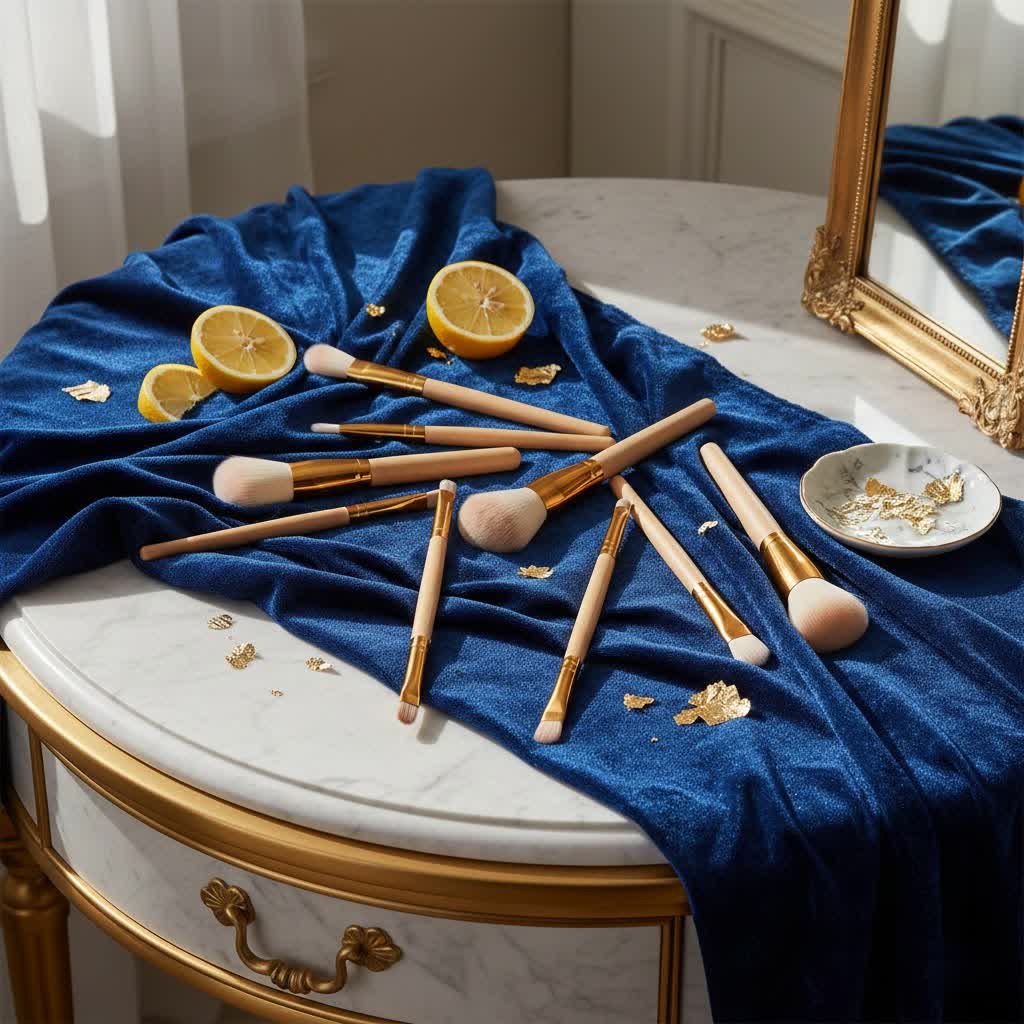
Why Invest in Professional Makeup Brushes?
The difference between a mediocre makeup application and an exceptional one often lies in the quality of your tools. Professional brushes offer several key advantages:
- Enhanced Application and Blending: Superior bristles and ergonomic designs allow for precise product placement and effortless blending, eliminating harsh lines and streaks.
- Improved Product Performance: Quality brushes pick up and deposit product more efficiently, meaning you use less makeup for better coverage and a more vibrant result. They prevent product absorption into the bristles, especially with liquid and cream formulas.
- Hygiene and Skin Health: Regularly cleaned professional brushes reduce the buildup of bacteria, oil, and dead skin cells, promoting healthier skin and preventing breakouts.
- Durability and Longevity: Crafted with high-quality materials, these brushes are designed to withstand frequent use and cleaning without shedding bristles or losing their shape, making them a long-term investment.
|
Our Picks for the Best Makeup Brushes in 2026
As an Amazon Associate I earn from qualifying purchases.
|
||
| Num | Product | Action |
|---|---|---|
| 1 | BEAKEY Makeup Brushes Set, Professional Foundation Eyeshadow Concealer Blush Powder Bronzer Applicator, 2 Blender Sponge with Beauty Paper Case |

|
| 2 | Flat Top Kabuki Foundation Brush By KESHIMA - Premium Makeup Brush for Liquid, Cream, and Powder - Buffing, Blending, and Face - 1.2\" Top Diameter |
|
| 3 | EcoTools Sea Gems Cream Blush Brush, Liquid & Cream Blush Makeup Brush for Smooth Buildable Cheek Color, Dense Rounded Bristles, Sustainable Design, Vegan & Cruelty-Free, 1 Count |
|
| 4 | BS-MALL Makeup Brush Set 18 Pcs Premium Synthetic Foundation Powder Concealers Eye shadows Blush Makeup Brushes with black case |
|
| 5 | BS-MALL Professional Makeup Brush Set 18 Pcs Premium Synthetic Foundation Powder Concealers Eye Shadows Blush Makeup Brushes with Travel Case (Matte white beige) |
|
| 6 | 1/2 PCS Lymphatic Contour Face Brush for Sculpting – Anti-Puffiness, Detox & Lift, Improves Skin Glow & Absorption (1 Pcs Contour Face Brush) |
|
| 7 | MAANGE 20 Pcs Makeup Brushes with Gift Box, Double-End Multi-functional Makeup Brushes for Blending Liquid Powder Concealer Cream Blush Buffe,CoffeeBrown |
|
| 8 | Professional Makeup Brushes BS-MALL With Travel Case - Kabuki Brush Eyeshadow Brush, Concealer Brush, Blush Brush Bronzer & Foundation Brush 20 Pcs, Labeled Daily Use & Versatile Occasions Gift Box |
|
| 9 | BS-MALL Makeup Brushes Premium Synthetic Foundation Powder Concealers Eye Shadows 14 Pcs Purple for Makeup Beginner or Professional with Travel Case |
|
| 10 | LAURA GELLER NEW YORK Cosmetic Professional Makeup Brushes - Cruelty-Free - 05 Full Face Brush Set 5pc |
|
Understanding Bristle Types: Natural vs. Synthetic
The material of a brush’s bristles is crucial, as it dictates which product types it will perform best with.
- Synthetic Brushes: Typically made from nylon or other man-made fibers, synthetic bristles are smooth and non-porous. This makes them ideal for applying liquid, cream, and gel products such as foundation, concealer, liquid blush, and gel eyeliner. They do not absorb product, allowing for a more even and hygienic application, and are often cruelty-free and vegan.
- Natural Brushes: Derived from animal hair (e.g., goat, squirrel), natural bristles have a cuticle that helps them pick up and hold powder products exceptionally well. They are perfect for applying loose or pressed powders, blush, bronzer, and eyeshadow, offering a soft, diffused finish. However, they require more delicate cleaning and are not always cruelty-free.
Essential Professional Makeup Brush Types and Their Uses
A comprehensive set of professional brushes will include tools for every step of your makeup routine.
Face Brushes
- Foundation Brush: Available in flat, tapered, or stippling (duo-fibre) varieties. Densely packed synthetic bristles are excellent for applying liquid or cream foundation, providing smooth, buildable coverage. A stippling brush helps achieve an airbrushed finish by layering product.
- Concealer Brush: Smaller than a foundation brush, often flat or tapered, designed for precise application and blending of liquid or cream concealer in targeted areas like under the eyes or over blemishes.
- Powder Brush: Large, fluffy, and typically dome-shaped, this brush is used to lightly dust loose or pressed powder over the face to set makeup, reduce shine, and create a smooth finish. It can have natural or synthetic bristles.
- Blush Brush: Soft, fluffy, and often dome-shaped or slightly angled, it’s designed to deposit the perfect amount of powder blush onto the apples of the cheeks for a natural flush.
- Contour Brush: Usually angled or flat with dense bristles, this tool is used for precise application of contour powder or cream to sculpt and define facial features, such as cheekbones, jawline, and nose.
- Bronzer Brush: Often large and fluffy, similar to a powder brush but sometimes more rounded or domed, for sweeping bronzer across the face where the sun naturally hits, creating a warm, sun-kissed glow.
- Highlight Brush: Smaller, tapered, or a fan brush, used for precise application of highlighter to the high points of the face like cheekbones, brow bone, and cupid’s bow.
- Kabuki Brush: Characterized by its short, dense, flat-top bristles. Versatile for buffing out foundation, applying powder, or bronzer, creating an airbrushed, seamless finish.
Eye Brushes
- Eyeshadow Shader Brush: A flat, dense brush used to pack eyeshadow pigment onto the eyelid for intense color payoff.
- Eyeshadow Blending/Crease Brush: Fluffy with tapered bristles, essential for seamlessly blending eyeshadows in the crease and diffusing color for a soft, gradient effect.
- Pencil/Smudge Brush: Small, dense, and tapered to a point, ideal for precise application in the outer V, smudging eyeliner, or defining the lash line.
- Eyeliner Brush: Can be fine-tipped for liquid/gel liner or angled for precision with gel, cream, or powder liners, creating sharp lines along the lash line.
- Brow Brush/Spoolie: A dual-ended tool with an angled brush for filling in brows with powder or pomade, and a spoolie to comb through brow hairs and blend product for a natural look.
Lip Brushes
- Lip Brush: Small and firm with a pointed or flat tip, used for precise and even application of lipstick or lip gloss, ensuring crisp lines and full coverage.
How to Choose the Right Professional Makeup Brushes
Selecting the best brushes involves considering several factors to match your needs and application style.
- Bristle Quality and Density: Feel the bristles; they should be soft, yet firm enough to hold their shape. Good quality brushes should not shed when you run your fingers through them. Densely packed brushes provide more coverage, while fluffier ones offer a sheer, diffused application.
- Brush Head Shape and Size: Match the brush shape to its intended purpose and the area of the face it will be used on. For instance, a larger brush is suitable for the face, while smaller, more precise brushes are for eyes and lips.
- Handle and Ferrule Quality: The metal band (ferrule) connecting the bristles to the handle should be tightly crimped with no gaps, ensuring durability. The handle itself should feel comfortable and balanced in your hand, allowing for controlled application.
- Material Considerations: Decide between natural or synthetic bristles based on the types of makeup products you primarily use. If ethical considerations are important, opt for cruelty-free and vegan synthetic options.
- Building Your Collection: Start with essential face and eye brushes, then gradually expand your collection with specialized tools as your techniques evolve. Many brands offer professional brush sets that provide a good foundation.
Maintaining Your Investment: Care and Cleaning
Proper care extends the life of your professional makeup brushes and is crucial for hygiene.
- Why Clean Brushes: Regular cleaning removes makeup residue, oils, dirt, and bacteria, preventing product buildup that can hinder performance and contribute to skin issues.
- Cleaning Frequency: Aim to deep clean your brushes at least once every 7 to 10 days. For professional use or if you wear makeup daily, quick cleaning after each use, especially for liquid/cream product brushes, is recommended.
- Step-by-Step Cleaning Guide:
- Rinse: Hold bristles under lukewarm running water, pointing downwards, allowing water to flow from the base to the tip. Avoid submerging the ferrule.
- Apply Cleanser: Dispense a gentle brush cleanser, baby shampoo, or mild soap (like olive oil soap) onto your palm or a silicone cleaning mat.
- Lather and Swirl: Gently swirl the wet bristles into the cleanser to create a lather, massaging out makeup residue.
- Rinse Thoroughly: Rinse again under lukewarm water until all traces of soap and makeup are gone, and the water runs clear.
- Reshape and Dry: Gently squeeze out excess water with a clean towel, then reshape the bristles to their original form. Lay brushes flat on a clean towel or a brush drying rack to air dry completely. Never dry brushes upright, as water can seep into the ferrule and loosen the glue.
- Conditioning: Occasionally, a small amount of hair conditioner can be applied to natural bristles after cleaning to maintain their softness.
Investing in and properly caring for professional makeup brushes is a game-changer for any beauty enthusiast. These essential tools provide the precision, blendability, and hygiene needed to achieve consistently stunning makeup looks, transforming your daily routine into an art form.
