Achieving a flawless makeup look isn’t just about the quality of your cosmetics; the tools you use play an equally crucial role. Good Makeup Brushes can transform your application, offering precision, seamless blending, and a more polished finish that fingers or sponges simply can’t replicate. Investing in the right brushes elevates your routine from basic to professional, ensuring your makeup looks its best every time.
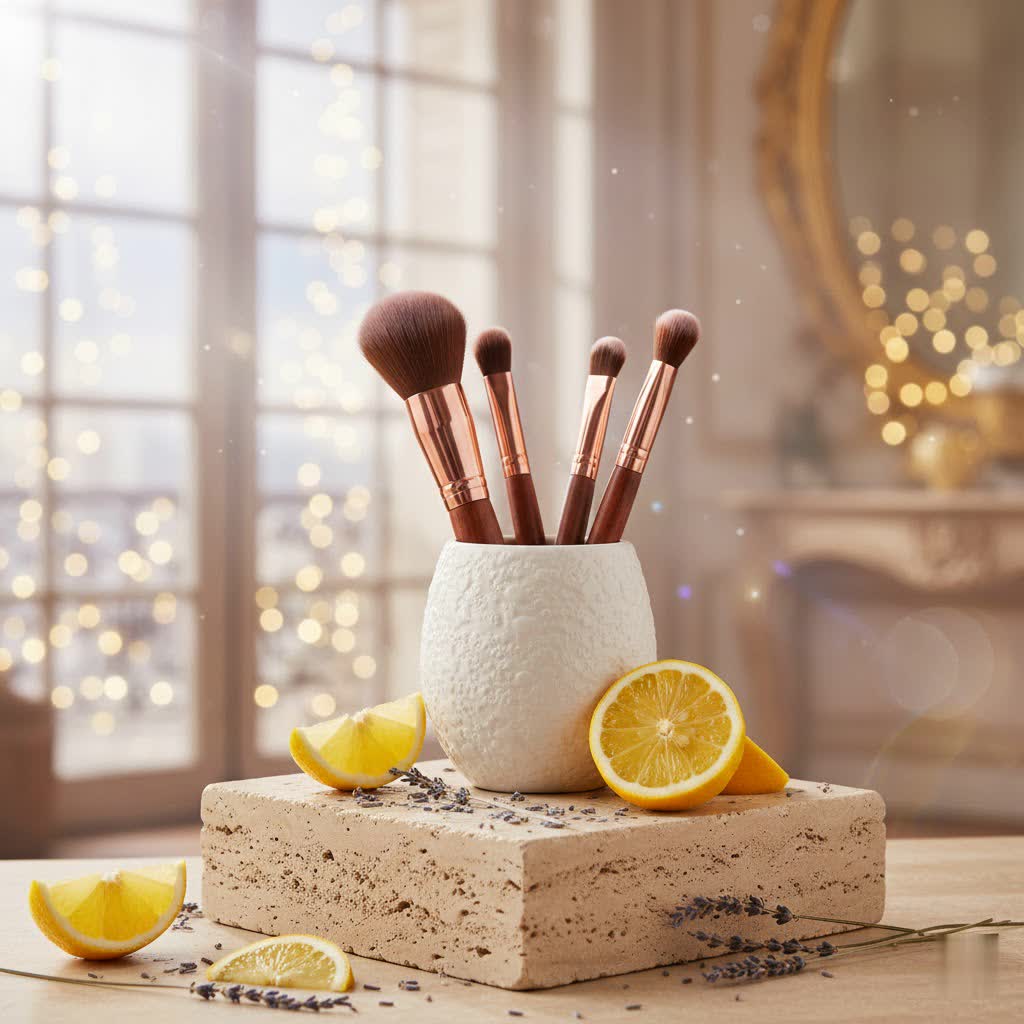
The Foundation of Flawless Makeup: What Makes a Brush “Good”?
Not all makeup brushes are created equal. Several key factors contribute to a brush’s quality and performance:
Bristle Material: Synthetic vs. Natural
The type of bristles significantly impacts how a brush performs with different makeup formulas:
- Synthetic Bristles: Made from man-made fibers, synthetic brushes are ideal for liquid and cream products such as foundation, concealer, and liquid blush. They don’t absorb product, leading to less waste and a smoother, streak-free application. Many synthetic options are also hypoallergenic and cruelty-free, making them easy to clean and maintain.
- Natural Hair Bristles: Typically sourced from animal hair, natural bristles excel with powder products like eyeshadows, blushes, bronzers, and setting powders. Their textured surface picks up and distributes powder evenly, providing a soft, diffused finish. While often praised for their luxurious feel and longevity, they can absorb liquid or cream formulas, potentially leading to streaky application.
|
Our Picks for the Best Makeup Brushes in 2026
As an Amazon Associate I earn from qualifying purchases.
|
||
| Num | Product | Action |
|---|---|---|
| 1 | BEAKEY Makeup Brushes Set, Professional Foundation Eyeshadow Concealer Blush Powder Bronzer Applicator, 2 Blender Sponge with Beauty Paper Case |

|
| 2 | 1/2 PCS Lymphatic Contour Face Brush for Sculpting – Anti-Puffiness, Detox & Lift, Improves Skin Glow & Absorption (1 Pcs Contour Face Brush) |
|
| 3 | Professional Makeup Brushes BS-MALL With Travel Case - Kabuki Brush Eyeshadow Brush, Concealer Brush, Blush Brush Bronzer & Foundation Brush 20 Pcs, Labeled Daily Use & Versatile Occasions Gift Box |
|
| 4 | BS-MALL Makeup Brush Set 18 Pcs Premium Synthetic Foundation Powder Concealers Eye shadows Blush Makeup Brushes with black case |
|
| 5 | EcoTools Sea Gems Cream Blush Brush, Liquid & Cream Blush Makeup Brush for Smooth Buildable Cheek Color, Dense Rounded Bristles, Sustainable Design, Vegan & Cruelty-Free, 1 Count |
|
| 6 | BS-MALL Makeup Brushes Premium Synthetic Foundation Powder Concealers Eye Shadows 14 Pcs Purple for Makeup Beginner or Professional with Travel Case |
|
| 7 | Flat Top Kabuki Foundation Brush By KESHIMA - Premium Makeup Brush for Liquid, Cream, and Powder - Buffing, Blending, and Face - 1.2\" Top Diameter |
|
| 8 | MAANGE 20 Pcs Makeup Brushes with Gift Box, Double-End Multi-functional Makeup Brushes for Blending Liquid Powder Concealer Cream Blush Buffe,CoffeeBrown |
|
| 9 | LAURA GELLER NEW YORK Cosmetic Professional Makeup Brushes - Cruelty-Free - 05 Full Face Brush Set 5pc |
|
| 10 | BS-MALL Professional Makeup Brush Set 18 Pcs Premium Synthetic Foundation Powder Concealers Eye Shadows Blush Makeup Brushes with Travel Case (Matte white beige) |
|
Many makeup enthusiasts prefer a mix of both types to cover all their application needs.
Bristle Density and Shape
The density and shape of a brush head are critical for specific applications and desired coverage:
- Dense Bristles: Brushes with densely packed bristles are excellent for packing on color, achieving full coverage, and buffing cream or liquid products into the skin without streaks.
- Soft, Fluffy Bristles: Looser, fluffier brushes are perfect for lighter applications, seamless blending, and diffusing powder products. They are also ideal for applying finishing powders or highlighters with a soft touch.
- Brush Shape: The shape dictates the brush’s intended use. Tapered brushes offer precision, dome-shaped brushes are great for buffing, and angled brushes are perfect for contouring or applying bronzer with definition.
Construction: Ferrule and Handle
Beyond the bristles, a good brush features sturdy construction:
- The Ferrule: This is the metal band that connects the bristles to the handle. A high-quality ferrule should be strong and well-crimped, preventing the bristles from shedding or the head from wobbling.
- The Handle: Look for handles that are comfortable to hold, offer a good grip, and have a balanced weight. Longer handles can provide more control for intricate eye work or precise powder application, while shorter handles are often preferred for cream or liquid products.
Softness and Skin Sensitivity
A hallmark of a good makeup brush is its softness. High-quality bristles feel gentle against the skin, never scratchy or irritating. This is crucial not only for comfort but also for preventing skin irritation and ensuring smooth product application.
Longevity and Value
While premium brushes might seem like an initial investment, their durability often means they last for years with proper care. This long-term value can make them more cost-effective than frequently replacing cheaper, low-quality alternatives that shed, break, or lose their effectiveness quickly.
Essential Makeup Brushes for Every Kit
For beginners or those looking to refine their collection, a versatile set of essential brushes can cover most makeup needs:
- Foundation Brush: For applying and buffing liquid or cream foundations, ensuring an even, streak-free base.
- Concealer Brush: A smaller, often denser brush for precise application and blending of concealer under the eyes and on blemishes.
- Powder Brush: A large, fluffy brush for dusting on setting powder, blush, or bronzer for a diffused finish.
- Blush Brush: Typically a medium-sized, soft brush designed to apply blush to the apples of the cheeks.
- Bronzer/Contour Brush: Can be angled or domed, used for sculpting the face with bronzer or contour products.
- Eyeshadow Blending Brush: A fluffy, tapered brush crucial for seamlessly blending eyeshadows in the crease and softening harsh lines.
- Eyeshadow Shader Brush: A flat, denser brush for packing color onto the eyelids.
- Detail/Eyeliner Brush: A fine-tipped or angled brush for precise eyeliner application or detailing the outer corner of the eye.
- Brow Brush/Spoolie: Essential for shaping eyebrows and applying brow products.
Choosing Your Brushes: Tips for a Smart Investment
- Consider Your Formulas: Match your brush type to your makeup products. Synthetic brushes are generally best for liquids and creams, while natural hair brushes excel with powders.
- Start Basic, Then Expand: You don’t need dozens of brushes to begin. A foundational set of 5-7 versatile brushes for complexion and eyes is a great starting point. As your skills and needs evolve, you can gradually add more specialized brushes.
- Prioritize Quality Over Quantity: It’s better to own a few high-quality, durable brushes that perform exceptionally well than a large set of inferior ones that may frustrate you with shedding or poor blending.
- Don’t Overlook Cleaning and Maintenance: Even the best brushes require regular cleaning to maintain their performance and hygiene. Proper care extends their lifespan and ensures a smooth, flawless application every time.
By understanding what makes a makeup brush good and selecting tools that align with your makeup routine, you empower yourself to achieve beautiful, professional-looking results effortlessly.
