Unlock the secret to a flawless finish and transform your makeup routine with the right tools. While fingers and sponges have their place, a well-chosen makeup brush or set can significantly enhance application, offering precision, seamless blending, and a truly airbrushed effect. Understanding the diverse world of makeup brushes is the first step to curating a collection that empowers your artistry, whether you’re a beginner or a seasoned pro.
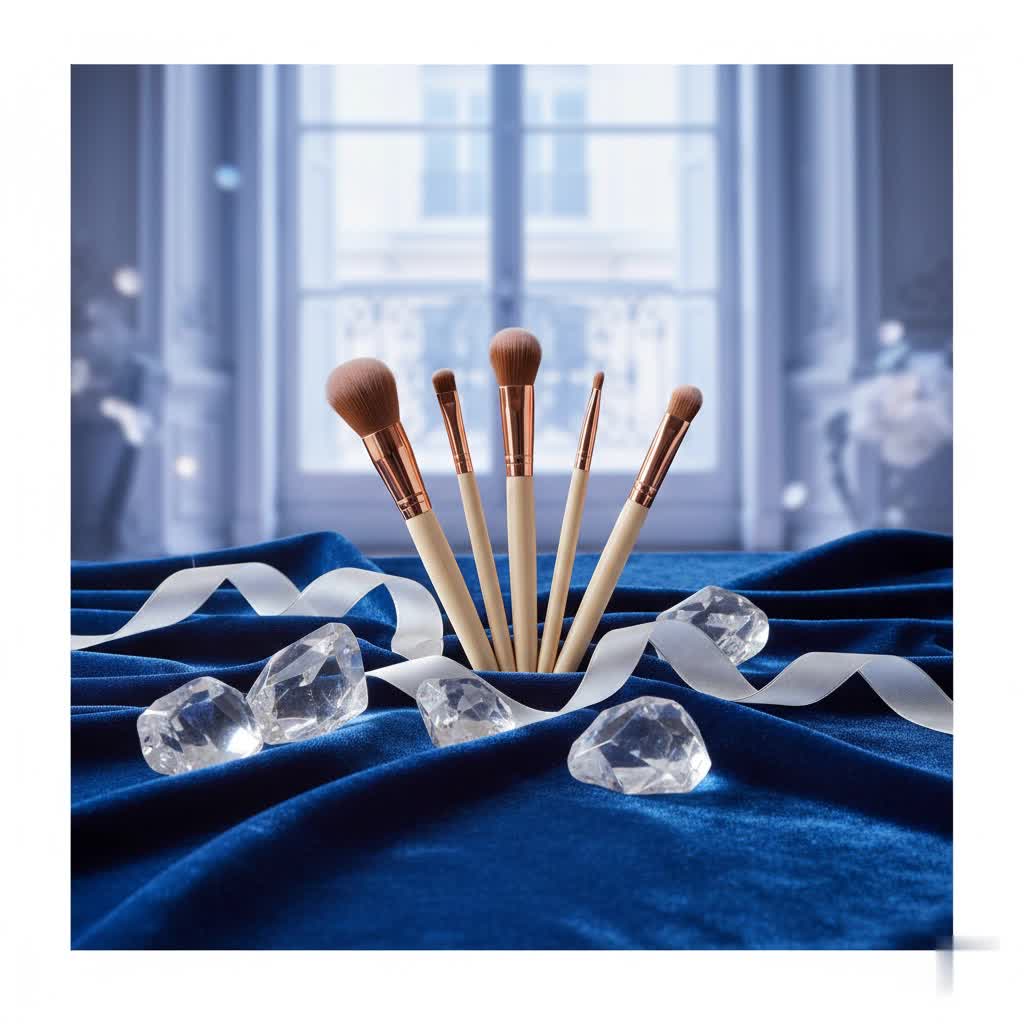
The Anatomy of a Superior Makeup Brush
Not all brushes are created equal. The quality and design of a brush directly impact its performance. Here’s what sets the best apart:
Bristle Material: Synthetic vs. Natural
The type of bristle determines how effectively a brush picks up and distributes different product formulas.
- Synthetic Bristles: Typically made from nylon or other vegan-friendly materials, synthetic brushes have come a long way in mimicking the feel of natural hair. They are non-porous, making them ideal for liquid and cream products like foundation, concealer, and cream blush. Synthetic bristles don’t absorb much product, leading to less waste and a smoother, streak-free application.
- Natural Bristles: Derived from animal hair (such as goat or squirrel), natural bristles are renowned for their exceptional softness and ability to pick up and blend powder products beautifully. Their porous nature allows them to hold powder pigments effectively, creating a soft, diffused finish for blush, bronzer, and eyeshadow. However, they can absorb liquid or cream formulas, potentially leading to streaking or blotchiness.
- Hybrid Bristles: Some high-quality brushes feature a blend of both synthetic and natural fibers, aiming to harness the best of both worlds for versatile application.
|
Our Picks for the Best Makeup Brushes in 2026
As an Amazon Associate I earn from qualifying purchases.
|
||
| Num | Product | Action |
|---|---|---|
| 1 | Professional Makeup Brushes BS-MALL With Travel Case - Kabuki Brush Eyeshadow Brush, Concealer Brush, Blush Brush Bronzer & Foundation Brush 20 Pcs, Labeled Daily Use & Versatile Occasions Gift Box |

|
| 2 | LAURA GELLER NEW YORK Cosmetic Professional Makeup Brushes - Cruelty-Free - 05 Full Face Brush Set 5pc |
|
| 3 | MAANGE 20 Pcs Makeup Brushes with Gift Box, Double-End Multi-functional Makeup Brushes for Blending Liquid Powder Concealer Cream Blush Buffe,CoffeeBrown |
|
| 4 | BEAKEY Makeup Brushes Set, Professional Foundation Eyeshadow Concealer Blush Powder Bronzer Applicator, 2 Blender Sponge with Beauty Paper Case |
|
| 5 | BS-MALL Makeup Brushes Premium Synthetic Foundation Powder Concealers Eye Shadows 14 Pcs Purple for Makeup Beginner or Professional with Travel Case |
|
| 6 | Flat Top Kabuki Foundation Brush By KESHIMA - Premium Makeup Brush for Liquid, Cream, and Powder - Buffing, Blending, and Face - 1.2\" Top Diameter |
|
| 7 | 1/2 PCS Lymphatic Contour Face Brush for Sculpting – Anti-Puffiness, Detox & Lift, Improves Skin Glow & Absorption (1 Pcs Contour Face Brush) |
|
| 8 | BS-MALL Professional Makeup Brush Set 18 Pcs Premium Synthetic Foundation Powder Concealers Eye Shadows Blush Makeup Brushes with Travel Case (Matte white beige) |
|
| 9 | EcoTools Sea Gems Cream Blush Brush, Liquid & Cream Blush Makeup Brush for Smooth Buildable Cheek Color, Dense Rounded Bristles, Sustainable Design, Vegan & Cruelty-Free, 1 Count |
|
| 10 | BS-MALL Makeup Brush Set 18 Pcs Premium Synthetic Foundation Powder Concealers Eye shadows Blush Makeup Brushes with black case |
|
Bristle Density: Fluffy vs. Dense
The packing of the bristles affects how much product is applied and how it blends.
- Soft and Fluffy: Brushes with loosely packed, soft bristles are excellent for light applications, diffusing color, and seamless blending. Think setting powder, blending eyeshadow, or a sheer wash of blush.
- Thicker and Denser: Densely packed brushes are designed to pick up and deposit more product, providing fuller coverage and intense color payoff. These are often preferred for foundation, packing on eyeshadow, or precise contouring.
Shape, Size, and Handle
The shape and size of a brush head dictate its specific use. Longer handles generally offer better control and precision, particularly for detailed eye work, while shorter handles can be more ergonomic for applying creamy or liquid face products. An ergonomic grip is always a plus for comfort and control.
Your Essential Makeup Brush Toolkit
Building a comprehensive brush collection doesn’t mean owning dozens of tools. A few key brushes, chosen for their versatility and quality, can cover all your needs.
For a Flawless Face
Achieving an even, radiant complexion starts with the right foundation for your base.
- Foundation Brush: These come in various forms. A flat, tapered brush is excellent for precise application of liquid foundation, while a buffing brush (dense, often flat-topped or rounded) is perfect for blending liquid or cream formulas for a smooth, airbrushed finish. A stippling brush with its duo-fiber bristles creates a lighter, airbrushed effect with liquid or cream products.
- Concealer Brush: A small, dense brush, often tapered or flat, allows for precise application and blending of concealer to camouflage blemishes, dark circles, and small imperfections.
- Powder Brush: A large, fluffy brush with a full head is essential for dusting loose or pressed powders to set makeup, reduce shine, or apply a sheer layer of powder foundation.
- Blush Brush: Typically a softer, medium-sized brush, often rounded or slightly angled. It’s perfect for applying blush to the apples of your cheeks, allowing you to build color gradually for a natural flush.
- Contour & Bronzer Brush: An angled or medium-sized fluffy brush helps sculpt the face by applying contour and bronzer precisely beneath cheekbones, along the jawline, and around the temples.
- Highlighter Brush: A fan-shaped brush or a small, tapered fluffy brush is ideal for a delicate application of highlighter to the high points of the face, such as cheekbones, brow bone, and cupid’s bow.
For Captivating Eyes
Eye makeup requires precision and seamless blending to create definition and drama.
- Eyeshadow Shader Brush: A flat, dense brush designed to pack eyeshadow onto the lid for vibrant color payoff.
- Eyeshadow Blending Brush: A fluffy, tapered brush is crucial for softening harsh lines and blending eyeshadow shades seamlessly into the crease and outer corner, creating smooth transitions.
- Eyeliner Brush: With a fine, angled, or ultra-thin pointed tip, this brush allows for precise application of gel, cream, or liquid eyeliner, perfect for sharp lines, wings, or filling in brows.
- Brow Brush & Spoolie: Often a dual-ended tool, the angled brush end is used for applying brow powder or pomade, while the spoolie end tames hairs, blends product, and can even separate mascara-clumped lashes.
For Perfecting Your Pout
A lip brush offers control for a polished lip look.
- Lip Brush: A small, firm, often tapered brush that provides precise application of lipstick, lip gloss, or lip liner, allowing for clean edges and an even coat.
Choosing the Best Brushes for Your Needs
When selecting your brushes, consider your current makeup routine and skill level. Beginners might benefit from a versatile, affordable set that covers the basics, such as the EcoTools Fresh Face Everyday Makeup Brush Set for its cruelty-free synthetic bristles and travel-friendly design, or the Real Techniques Everyday Essentials & Sponge Set for its comprehensive lineup and included beauty sponge. As your skills advance, investing in individual, higher-quality specialized brushes, like those from Tom Ford for complexion or Jones Road for eye blending, can significantly elevate your application. Always match the bristle material to the product formula you’re using for optimal results.
Caring for Your Brushes
Maintaining your makeup brushes is vital for hygiene, performance, and longevity. Regular cleaning prevents bacteria buildup and ensures smooth application. Use a gentle cleanser or a brush-specific cleaning solution, wetting the bristles while avoiding getting water into the ferrule (the metal part connecting bristles to the handle). Swirl the brush on a cleaning mat or your palm, rinse thoroughly, and reshape the bristles before laying them flat or hanging them upside down to air dry. This simple care routine will keep your brushes soft, effective, and free from shedding for years to come.
By understanding the different types of makeup brushes and their functions, you can confidently build a collection that supports your beauty routine, ensuring a professional and polished finish every time.
