Mastering your makeup look involves using the correct tools, and understanding makeup brush types is crucial for flawless application. Essential brushes include foundation, concealer, powder, blush, contour, highlight, kabuki, and stippling brushes for the face, alongside specialized eyeshadow, eyeliner, brow, and lip brushes for precision. Each brush is designed for a specific purpose, from seamlessly blending liquid foundation to precisely defining the crease of your eyelid, ensuring a professional finish.
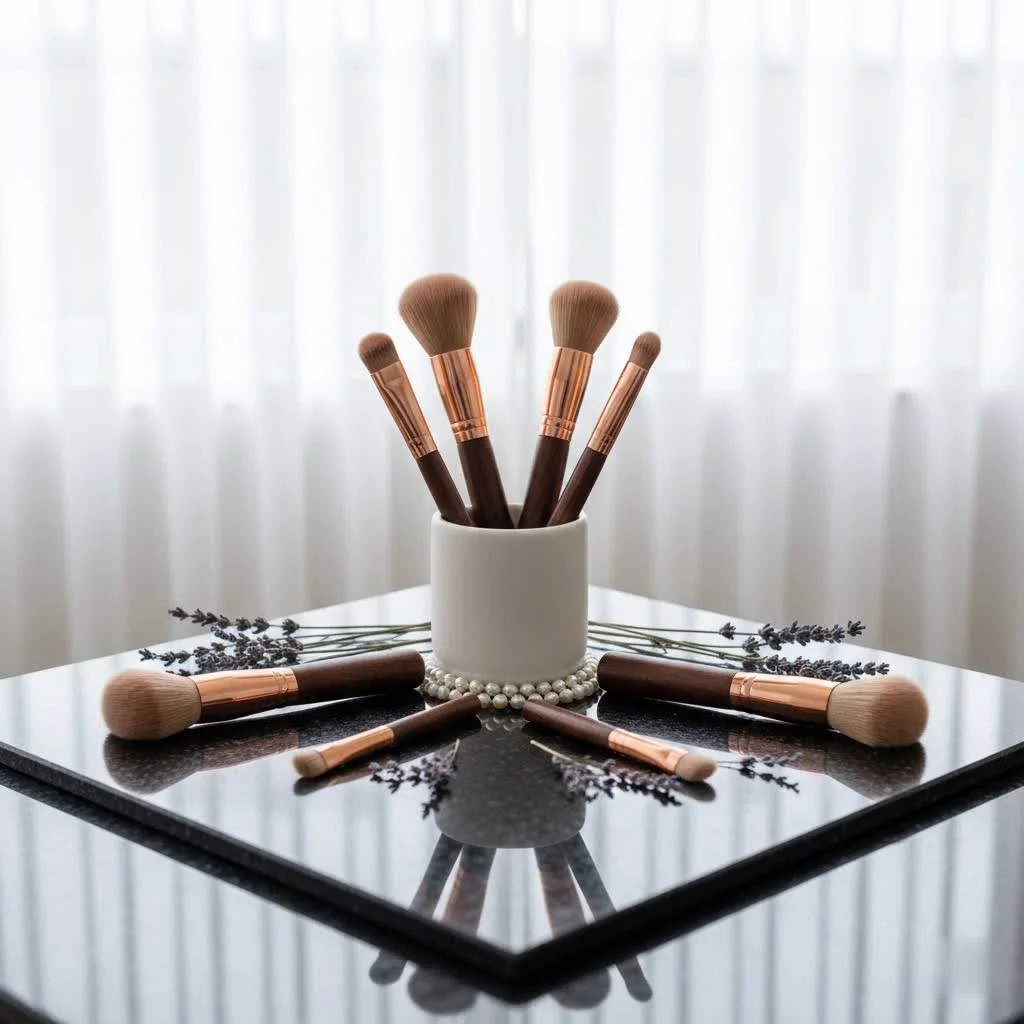
The Foundation of Your Face: Essential Face Brushes
|
Our Picks for the Best Makeup Brushes in 2026
As an Amazon Associate I earn from qualifying purchases.
|
||
| Num | Product | Action |
|---|---|---|
| 1 | EcoTools Sea Gems Cream Blush Brush, Liquid & Cream Blush Makeup Brush for Smooth Buildable Cheek Color, Dense Rounded Bristles, Sustainable Design, Vegan & Cruelty-Free, 1 Count |

|
| 2 | 1/2 PCS Lymphatic Contour Face Brush for Sculpting – Anti-Puffiness, Detox & Lift, Improves Skin Glow & Absorption (1 Pcs Contour Face Brush) |
|
| 3 | MAANGE 20 Pcs Makeup Brushes with Gift Box, Double-End Multi-functional Makeup Brushes for Blending Liquid Powder Concealer Cream Blush Buffe,CoffeeBrown |
|
| 4 | Professional Makeup Brushes BS-MALL With Travel Case - Kabuki Brush Eyeshadow Brush, Concealer Brush, Blush Brush Bronzer & Foundation Brush 20 Pcs, Labeled Daily Use & Versatile Occasions Gift Box |
|
| 5 | BS-MALL Professional Makeup Brush Set 18 Pcs Premium Synthetic Foundation Powder Concealers Eye Shadows Blush Makeup Brushes with Travel Case (Matte white beige) |
|
| 6 | BS-MALL Makeup Brush Set 18 Pcs Premium Synthetic Foundation Powder Concealers Eye shadows Blush Makeup Brushes with black case |
|
| 7 | BEAKEY Makeup Brushes Set, Professional Foundation Eyeshadow Concealer Blush Powder Bronzer Applicator, 2 Blender Sponge with Beauty Paper Case |
|
| 8 | LAURA GELLER NEW YORK Cosmetic Professional Makeup Brushes - Cruelty-Free - 05 Full Face Brush Set 5pc |
|
| 9 | Flat Top Kabuki Foundation Brush By KESHIMA - Premium Makeup Brush for Liquid, Cream, and Powder - Buffing, Blending, and Face - 1.2\" Top Diameter |
|
| 10 | BS-MALL Makeup Brushes Premium Synthetic Foundation Powder Concealers Eye Shadows 14 Pcs Purple for Makeup Beginner or Professional with Travel Case |
|
The base of any great makeup look begins with the face. These brushes are designed to flawlessly apply and blend foundation, concealer, powder, blush, contour, and highlight.
Foundation Brush: A cornerstone for liquid or cream foundations, foundation brushes come in several forms to deliver a smooth, even, and streak-free finish. Flat brushes are excellent for precise application, while buffing brushes (often dense and rounded or flat-topped) seamlessly blend product into the skin. Stippling brushes, with their dual-length bristles, create a lightweight, airbrushed effect.
Concealer Brush: Smaller and often tapered with firm, dense bristles, a concealer brush is your go-to for targeted application. It’s perfect for precisely dabbing concealer onto blemishes, dark circles, and other imperfections, allowing for seamless blending into the surrounding skin.
Powder Brush: Characterized by its large, fluffy head, the powder brush is ideal for evenly distributing loose or pressed powders across the face. It sets your makeup, absorbs excess oil, and provides a diffused, natural finish without appearing heavy or cakey.
Blush Brush: Similar to a powder brush but typically smaller and often with softer bristles, a blush brush is designed for applying blush to the apples of your cheeks. Some blush brushes are angled, which helps with more precise placement and blending for a natural flush.
Contour Brush: To sculpt and define facial features, a contour brush is indispensable. These brushes often feature an angled or more tapered head with denser bristles, allowing for precise application of contouring products in the hollows of cheeks, along the jawline, and on the temples.
Highlight Brush / Fan Brush: For a luminous glow, a highlight brush, often small and tapered, is used to apply highlighter to the high points of the face, such as cheekbones, brow bones, and the bridge of the nose. A fan brush, with its unique fan shape, offers a lighter, more diffused application, perfect for a subtle sheen.
Kabuki Brush: A kabuki brush is renowned for its densely packed, often large head, making it highly versatile. It’s excellent for applying loose powders, powder foundations, and even body shimmers with large, circular motions to achieve smooth, even coverage and a polished finish.
Stippling Brush: With its distinctive duo-fiber design, featuring bristles of two different lengths, the stippling brush excels at layering liquid or cream products. It allows for light, buildable coverage, creating a soft, airbrushed look, particularly effective for foundation and cream blush.
Precision and Detail: Eye and Lip Brushes
These brushes are crafted for intricate application, allowing you to create detailed eye looks and perfectly defined lips.
Eyeshadow Brushes:
- Flat Shader Brush: This brush has a flat, dense head, ideal for packing color intensely onto the eyelid, ensuring vibrant pigment payoff.
- Blending Brush: Often fluffy and rounded, a blending brush is crucial for softening harsh lines between eyeshadows and creating seamless transitions. It’s perfect for blending out shades in the crease for a diffused effect.
- Crease Brush: Typically tapered or dome-shaped, this brush is designed to fit perfectly into the crease of the eyelid, allowing for precise application and blending to add depth and dimension.
- Smudging Brush: Small and dense, a smudging brush is used to blur eyeliner or eyeshadow along the lash line, creating a smoky, diffused effect.
Eyeliner Brush: For sharp and defined lines, an eyeliner brush is a must-have. These brushes come with fine, angled, or tapered tips, allowing for precise application of gel, cream, or liquid eyeliners.
Brow Brush / Spoolie: Often a dual-ended tool, a brow brush features an angled brush on one end for applying brow powder or pomade to define and fill in brows. The other end, a spoolie, is a spiral-shaped brush used for grooming brow hairs, blending product, and separating mascara-laden lashes.
Lip Brush: A small, thin, and firm brush, the lip brush offers maximum precision when applying lipstick or lip gloss. It allows for controlled application, helping to define the lip line and ensure an even, long-lasting finish.
Choosing Your Tools and Keeping Them Pristine
When selecting makeup brushes, prioritize quality over quantity. High-quality synthetic bristles are often preferred for their durability, ease of cleaning, and cruelty-free nature, and they perform exceptionally well with both liquid and powder products. Look for brushes with comfortable, stable handles that feel balanced in your hand for greater control during application. For beginners, investing in a comprehensive brush set that includes essential face and eye brushes is a great starting point.
Proper maintenance is key to extending the life of your brushes and ensuring hygienic application. Clean your brushes regularly using a gentle brush cleanser or mild soap, rinsing thoroughly, and always reshape the bristles before laying them flat to dry. This prevents damage and maintains their effectiveness.
With this understanding of makeup brush types and their functions, you’re well-equipped to improve your makeup game, create any look you desire, and achieve a consistently flawless finish.
Frequently Asked Questions
What are the most important makeup brush types for a beginner?
For beginners, the most important makeup brush types include a foundation brush, a powder brush, a blush brush, a flat shader eyeshadow brush, and a blending eyeshadow brush. These five brushes cover the essential steps for applying base makeup and creating basic eye looks, providing a solid foundation for any beauty routine.
How do I choose between synthetic and natural makeup brush bristles?
When choosing between synthetic and natural bristles, consider the product type and maintenance. High-quality synthetic bristles are generally preferred for liquid and cream products due to their non-absorbent nature and ease of cleaning, making them more durable and hygienic. Natural bristles, often made from animal hair, are excellent for powder products as they pick up and distribute pigment effectively, but they require more delicate care.
What is the best way to clean and maintain makeup brushes?
The best way to clean and maintain makeup brushes is to wash them regularly with a gentle brush cleanser or mild soap, such as baby shampoo. After rinsing thoroughly under lukewarm water until the water runs clear, gently reshape the bristles and lay the brushes flat on a clean towel to air dry. This prevents water from seeping into the ferrule and loosening the glue, extending the brush's lifespan.
Can one makeup brush be used for multiple purposes?
Yes, some makeup brushes can be used for multiple purposes, especially versatile brushes like the kabuki brush or a dense powder brush. For example, a kabuki brush can apply loose powder, powder foundation, or even body shimmer. However, using dedicated brushes for specific products generally yields better results and maintains hygiene, preventing color transfer or product mixing.
What is the difference between a blending brush and a crease brush?
A blending brush is typically fluffy and rounded, designed to soften harsh lines between eyeshadows and create seamless transitions across the eyelid. In contrast, a crease brush is usually tapered or dome-shaped, specifically crafted to fit into the crease of the eyelid for precise application and blending, adding depth and dimension to the eye look.
How to Choose and Maintain Makeup Brushes
Learn how to select high-quality makeup brushes and keep them clean for hygienic, effective application and extended tool life.
When selecting makeup brushes, prioritize quality over quantity. High-quality synthetic bristles are often preferred for their durability, ease of cleaning, and cruelty-free nature, performing exceptionally well with both liquid and powder products.
Look for brushes with comfortable, stable handles that feel balanced in your hand. This ensures greater control during application, leading to more precise and effortless makeup looks.
For beginners, investing in a comprehensive brush set that includes essential face and eye brushes is a great starting point. This provides a versatile collection of tools to cover most makeup application needs.
Proper maintenance is key to extending the life of your brushes and ensuring hygienic application. Clean your brushes regularly using a gentle brush cleanser or mild soap, rinsing thoroughly to remove all product residue.
After cleaning, always reshape the bristles of your brushes before laying them flat to dry. This prevents damage to the brush head and maintains their original shape and effectiveness for future use.
Build a cleanser routine that actually works
Free PDF — pH data on 22 popular cleansers + simple routine card.
As someone who’s always struggled with contouring, the breakdown of contour and stippling brushes was exactly what I needed. I picked up a stippling brush as suggested, and it makes applying cream contour so much more natural-looking. No harsh lines anymore, just a subtle sculpt. Definitely a must-have for beginners like me.
I used to just use my fingers for foundation, but after reading about the different foundation brush types, I decided to invest in a good one. What a difference! My liquid foundation goes on so much smoother and looks way more natural. It really does give a professional finish, and I’m kicking myself for not trying this sooner.
I was really hoping the kabuki brush would be a game-changer for my powder application, but I’m a little underwhelmed. It’s soft, but I find it picks up too much product and can make my face look a bit cakey if I’m not super careful. Maybe it’s just my technique, but I haven’t quite mastered it yet for a flawless finish.
I’ve been trying to up my eye makeup game, and the section on eyeshadow and eyeliner brushes was super helpful. I always just used one fluffy brush for everything, but getting a dedicated crease brush has made blending so much easier. My eyeshadow looks much more defined now, and I’m excited to try out some new looks.