Japanese Makeup Brushes, often revered by beauty enthusiasts and professionals alike, represent a pinnacle of cosmetic tool craftsmanship. Known as “Fude” in Japan, these brushes are more than mere instruments; they are meticulously handcrafted works of art designed to transform your makeup routine into a precise and luxurious ritual. Their reputation for unparalleled quality, performance, and longevity makes them a cherished investment for anyone seeking a flawless finish.
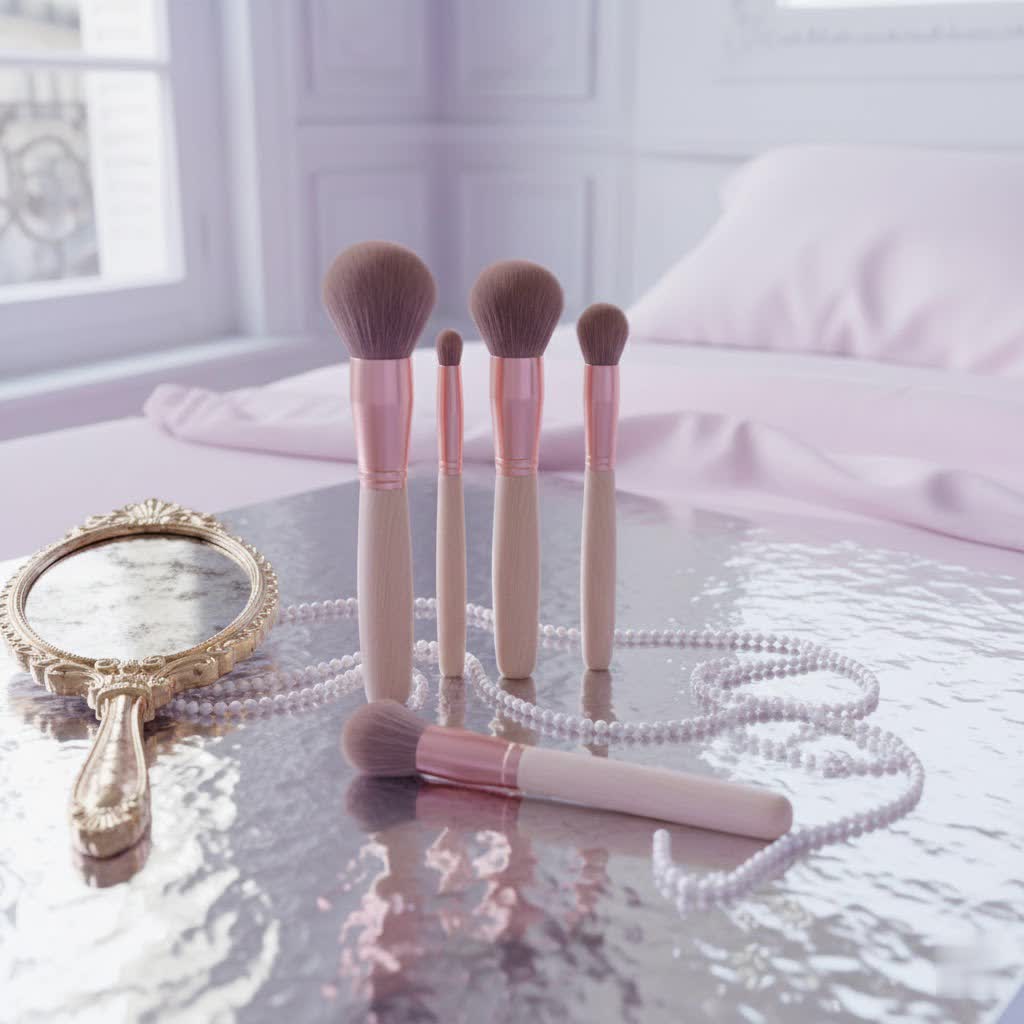
The Enduring Legacy of Fude Craftsmanship
|
Our Picks for the Best Makeup Brushes in 2026
As an Amazon Associate I earn from qualifying purchases.
|
||
| Num | Product | Action |
|---|---|---|
| 1 | 1/2 PCS Lymphatic Contour Face Brush for Sculpting – Anti-Puffiness, Detox & Lift, Improves Skin Glow & Absorption (1 Pcs Contour Face Brush) |

|
| 2 | BEAKEY Makeup Brushes Set, Professional Foundation Eyeshadow Concealer Blush Powder Bronzer Applicator, 2 Blender Sponge with Beauty Paper Case |
|
| 3 | LAURA GELLER NEW YORK Cosmetic Professional Makeup Brushes - Cruelty-Free - 05 Full Face Brush Set 5pc |
|
| 4 | BS-MALL Makeup Brushes Premium Synthetic Foundation Powder Concealers Eye Shadows 14 Pcs Purple for Makeup Beginner or Professional with Travel Case |
|
| 5 | BS-MALL Makeup Brush Set 18 Pcs Premium Synthetic Foundation Powder Concealers Eye shadows Blush Makeup Brushes with black case |
|
| 6 | EcoTools Sea Gems Cream Blush Brush, Liquid & Cream Blush Makeup Brush for Smooth Buildable Cheek Color, Dense Rounded Bristles, Sustainable Design, Vegan & Cruelty-Free, 1 Count |
|
| 7 | MAANGE 20 Pcs Makeup Brushes with Gift Box, Double-End Multi-functional Makeup Brushes for Blending Liquid Powder Concealer Cream Blush Buffe,CoffeeBrown |
|
| 8 | BS-MALL Professional Makeup Brush Set 18 Pcs Premium Synthetic Foundation Powder Concealers Eye Shadows Blush Makeup Brushes with Travel Case (Matte white beige) |
|
| 9 | Professional Makeup Brushes BS-MALL With Travel Case - Kabuki Brush Eyeshadow Brush, Concealer Brush, Blush Brush Bronzer & Foundation Brush 20 Pcs, Labeled Daily Use & Versatile Occasions Gift Box |
|
| 10 | Flat Top Kabuki Foundation Brush By KESHIMA - Premium Makeup Brush for Liquid, Cream, and Powder - Buffing, Blending, and Face - 1.2\" Top Diameter |
|
The tradition of brush-making in Japan boasts a history spanning over 1,300 years, with its roots deeply embedded in calligraphy and painting. Today, the small town of Kumano in Hiroshima Prefecture stands as the undisputed heart of this artistry. Here, generations of skilled artisans continue to employ traditional techniques to create “Kumano Fude” – brushes that marry ancient wisdom with modern beauty needs. This meticulous hand-crafting process ensures that each Fude brush is perfectly shaped to contour the face, allowing for an even application that enhances features with a natural, airbrushed effect. Unlike many mass-produced brushes, Japanese Fude are designed specifically for the three-dimensional curves of the face, a distinct advantage over brushes originally conceived for flat surfaces.
What Makes Japanese Brushes Stand Apart?
The superior quality of Japanese makeup brushes stems from several key distinguishing features:
- Uncut Bristles: A hallmark of Fude brushes is the use of uncut animal hairs. Artisans carefully select and bundle bristles, shaping them by hand without any trimming. This preserves the natural, delicate tips of each hair, resulting in unparalleled softness and a smooth glide that is exceptionally gentle on the skin.
- Precision and Performance: This meticulous bundling ensures excellent product pickup and a silky-smooth, even distribution of makeup. Whether applying powders, creams, or liquids, Fude brushes deliver an airbrushed finish that is difficult to achieve with other tools.
- Ergonomic Design: Fude brushes often feature ergonomic handles that provide superior balance and control, making them comfortable to use for extended periods and aiding in precise application.
- Durability and Longevity: Investing in a Japanese makeup brush is often a long-term commitment. With proper care, these high-quality tools can last for many years, making their initial cost a worthwhile expenditure.
Demystifying Bristle Types
The choice of bristle material is crucial to a brush’s performance, and Japanese artisans masterfully select different hairs for specific applications:
Natural Hair:
- Squirrel Hair: Renowned for its exquisite softness, squirrel hair is ideal for sensitive skin and achieving a sheer, natural-looking application with powder products. It’s particularly favored for applying finishing powders and shimmer eyeshadows gently. Different types like gray, red, and Kazan squirrel offer varying degrees of softness and rarity.
- Goat Hair: Highly versatile and resilient, goat hair is one of the most commonly used natural bristles. It offers fine tips and a strong body, making it excellent for blush, eyeshadow, and even foundation. Undyed goat hair is robust and can be used with liquid and cream products, while dyed goat hair is often preferred for powder.
- Horse Hair: Known for its strength, durability, and blendability, horse hair is a cost-effective option often found in eye and cheek brushes. It’s effective for blending and depositing a good amount of powder for a solid color payoff.
- Weasel/Sable Hair: This firm, elastic bristle type is perfect for detailed work. Its cohesive tips and non-absorbent nature make it ideal for eyeshadow, eyeliner, lip brushes, and liquid foundations, where resilience for cream and liquid products is essential.
- Kolinsky: Similar to weasel but finer and softer, Kolinsky is a highly prized bristle type known for its superior performance and resilience, especially for pinpoint accurate color application.
Synthetic Fibers:
Japanese brands are at the forefront of innovation in synthetic bristles, meticulously crafting them to replicate the fine tips of uncut natural hairs. These vegan options are more durable, easier to clean (as they absorb less product), and perform exceptionally well with liquid, cream, and gel makeup formulas. Brands like Chikuhodo and Koyudo offer dedicated synthetic series that rival the softness and application of natural hair.
Choosing Your Fude: A Guide to Brush Types and Their Applications
Understanding the specific function of each brush type helps in building a versatile collection:
- Face Brushes:
- Powder Brushes: Typically large, round, soft, and fluffy, these are designed for applying finishing powder, setting makeup, and contouring. Shapes like tapered, flat, and angled allow for varied effects, from precise contouring to broad, even coverage.
- Blush Brushes: Smaller than powder brushes, they are often rounded and soft. Denser brushes build bolder color, while kabuki-style brushes are great for patting and blending. Angled brushes are perfect for shading and defining cheekbones.
- Foundation Brushes: Available in rounded, flat, and angled shapes, these are crucial for achieving smooth, even foundation coverage. Synthetic bristles are generally preferred for liquid and cream foundations as they absorb less product.
- Eye Brushes: Japanese craftsmanship offers a specialized brush for virtually every eye makeup function—from small, pointed brushes for definition and smudging eyeshadow, to flat, round brushes for strong color application, and larger brushes for base colors and shading. Fluffier blending brushes are essential for creating seamless transitions.
- Specialty Brushes: This category includes precise concealer brushes, lip brushes (often made with weasel hair), and multi-functional brushes that combine different tips or bristle lengths for versatile application.
Top Japanese Makeup Brush Brands to Consider
The world of Fude boasts several renowned brands, each with its unique strengths:
- Hakuhodo: Often considered the pinnacle of Japanese brush artistry, Hakuhodo is one of Japan’s largest manufacturers, producing brushes for leading cosmetic brands and its own extensive line. Known for its exceptional quality and handcrafted precision, it offers a vast catalog organized by series, hair type, and application.
- Chikuhodo: Established in 1971, Chikuhodo is celebrated for its ultra-soft bristles and ability to deliver flawless pigment distribution. Its ranges, like the luxurious “Z series” (squirrel hair) and the more accessible “Passion” series (goat hair), cater to diverse needs and budgets.
- Shiseido: A global beauty giant, Shiseido offers modern, multifunctional Japanese brushes, including innovative designs like the Hanatsubaki Hake Polishing Face Brush with its four petals for optimal skin contact, and the Daiya Fude Face Duo, which combines a silicone tip with a brush.
- Koyudo: With roots in traditional calligraphy brushes, Koyudo brings artistic design and exceptional precision to its makeup brush collections, including popular synthetic series like Makiko.
- Mizuho Brush: Another Kumano-based manufacturer, Mizuho is known for its high-quality, handmade brushes with ergonomic designs, utilizing various natural hairs for specific functions.
Other notable brands include Keshima, Koh Gen Do, Clé de Peau Beauté, and Shu Uemura, which excels in synthetic brush technology. For those seeking budget-friendly options, CANMAKE offers brushes suitable for everyday Japanese makeup looks.
Caring for Your Investment
To ensure your Japanese makeup brushes retain their exceptional performance and longevity, proper care is essential:
- Product Pairing: Use natural hair brushes primarily with powder products, and synthetic or mixed-fiber brushes for creams and liquids. This prevents damage and maintains brush integrity.
- Regular Cleaning: After each use, gently wipe brushes on a microfiber cloth or tissue to remove residue. For deeper cleaning, wash natural hair brushes with a neutral detergent infrequently (squirrel hair, for instance, only 3-4 times a year for powder-only use; undyed goat hair used with creams should be washed more often).
- Drying: After washing, gently squeeze out excess water, reshape the bristles, and lay brushes flat on a clean, well-ventilated surface to dry completely. Avoid direct sunlight or heat, which can damage the delicate hairs.
- Storage: Store brushes in a well-ventilated place, such as a brush holder or pouch, to prevent bacterial growth and maintain their shape.
Elevating Your Beauty Routine
Investing in Japanese makeup brushes is an opportunity to elevate your daily beauty routine into a sophisticated art form. Their exquisite craftsmanship, superior materials, and unmatched performance offer a level of precision and luxury that transforms makeup application from a chore into a mindful, enjoyable ritual. With a well-chosen and properly cared-for Fude collection, you can achieve a truly flawless, airbrushed finish that enhances your natural beauty every day.
