Unlocking a flawless makeup application begins with the right tools. Makeup brushes are essential instruments that dictate the finish, blend, and precision of your look. Understanding the diverse world of makeup brushes – from their materials and shapes to their specific functions and proper care – is key to elevating your beauty routine, ensuring a smoother, more professional result with every application.
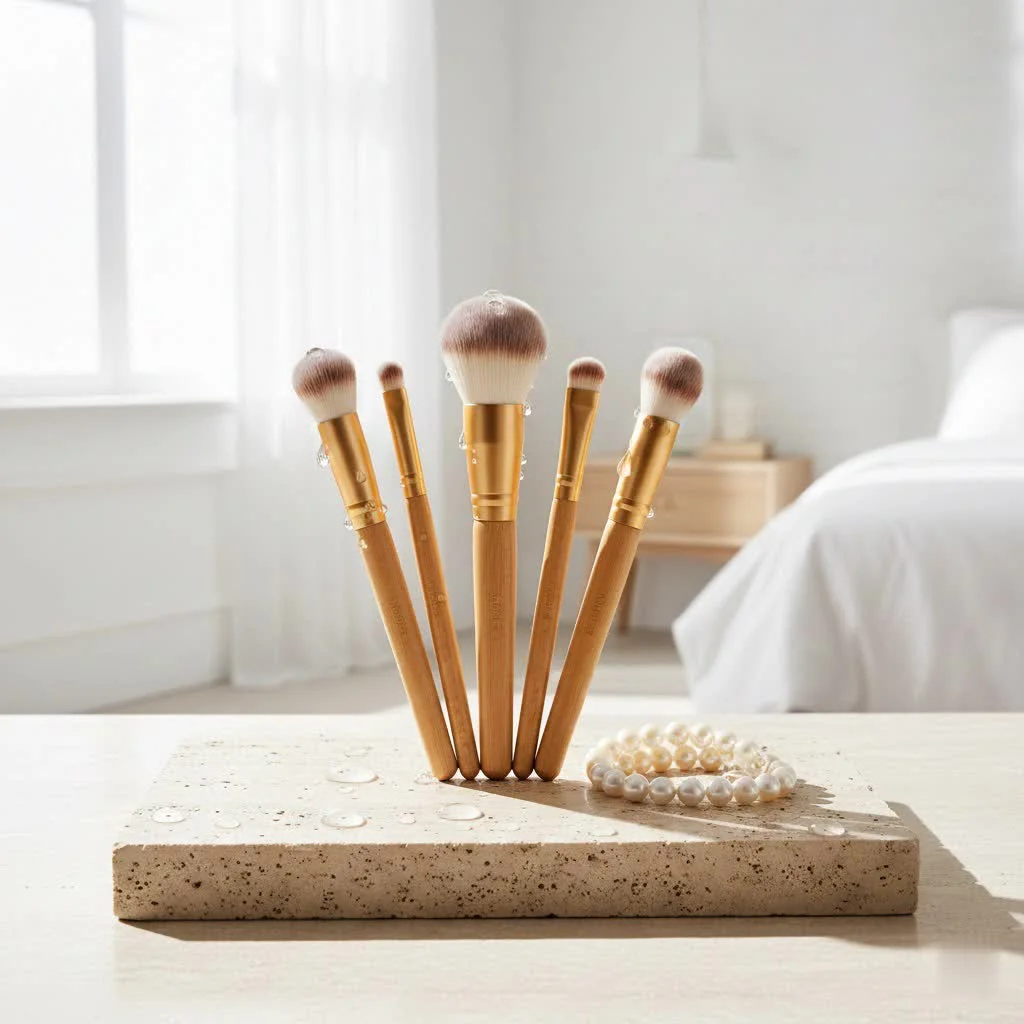
Understanding Bristle Materials: Natural vs. Synthetic
The bristles are the heart of any makeup brush, and their material significantly impacts performance. Generally, brushes come with either natural hair or synthetic fibers, each suited for different product types and desired effects.
Natural Hair Brushes Traditionally crafted from animal hair like goat, squirrel, or pony, natural bristles are prized for their ability to pick up and deposit powder products beautifully. Their porous cuticles grip pigment, allowing for a soft, diffused application and seamless blending, making them ideal for eyeshadows, blushes, bronzers, and setting powders. While luxurious and soft, natural brushes require more delicate care and can absorb liquid or cream products, leading to product waste and potential streaking.
Synthetic Fiber Brushes Modern advancements have made synthetic brushes incredibly versatile and high-performing. Made from man-made fibers such as nylon, Taklon, or polyester, these brushes do not absorb product, making them perfect for liquid, cream, and gel formulas like foundation, concealer, cream blush, and liquid eyeliner. Synthetic brushes are also more durable, easier to clean, less prone to shedding, hypoallergenic, and ethically vegan-friendly. High-quality synthetic fibers can now mimic the softness and blending capabilities of natural hair.
Essential Makeup Brush Types and Their Uses
A well-rounded makeup brush collection features tools tailored for different areas of the face and various product textures. Here’s a breakdown of the essential brushes you’ll want to consider:
Face Brushes
- Foundation Brush: These come in various forms, including flat, tapered, stippling, and buffing brushes. Dense, tapered synthetic brushes are excellent for applying liquid or cream foundation evenly and smoothly without streaks. Buffing brushes, often with a flat top, are great for blending foundation into the skin for an airbrushed finish.
- Powder Brush: Large, fluffy, and often rounded, a powder brush is designed to lightly dust loose or pressed powder over the face to set makeup, control shine, or apply bronzer for an all-over warmth.
- Blush Brush: Typically soft, fluffy, and sometimes angled or dome-shaped, this brush allows for precise application of blush to the apples of the cheeks and cheekbones, ensuring a natural flush.
- Contour Brush: Angled or tapered brushes with dense bristles are ideal for sculpting and defining facial features. They fit perfectly into the hollows of the cheeks, jawline, and temples for precise contour application.
- Highlighter Brush: Often smaller and tapered, or in a fan shape, these brushes apply highlighter with precision to the high points of the face, such as cheekbones, brow bones, and the bridge of the nose, for a radiant glow.
- Concealer Brush: Small with dense, firm bristles, a concealer brush is used for targeted application of liquid or cream concealer to cover blemishes, dark circles, or redness, offering precise control in smaller areas.
- Kabuki Brush: Characterized by its short handle and dense, domed head, kabuki brushes are excellent for buffing foundation or powder onto the skin for full coverage.
Eye Brushes
|
Our Picks for the Best Makeup Brushes in 2026
As an Amazon Associate I earn from qualifying purchases.
|
||
| Num | Product | Action |
|---|---|---|
| 1 | BS-MALL Makeup Brush Set 18 Pcs Premium Synthetic Foundation Powder Concealers Eye shadows Blush Makeup Brushes with black case |

|
| 2 | LAURA GELLER NEW YORK Cosmetic Professional Makeup Brushes - Cruelty-Free - 05 Full Face Brush Set 5pc |
|
| 3 | 1/2 PCS Lymphatic Contour Face Brush for Sculpting – Anti-Puffiness, Detox & Lift, Improves Skin Glow & Absorption (1 Pcs Contour Face Brush) |
|
| 4 | Professional Makeup Brushes BS-MALL With Travel Case - Kabuki Brush Eyeshadow Brush, Concealer Brush, Blush Brush Bronzer & Foundation Brush 20 Pcs, Labeled Daily Use & Versatile Occasions Gift Box |
|
| 5 | EcoTools Sea Gems Cream Blush Brush, Liquid & Cream Blush Makeup Brush for Smooth Buildable Cheek Color, Dense Rounded Bristles, Sustainable Design, Vegan & Cruelty-Free, 1 Count |
|
| 6 | BEAKEY Makeup Brushes Set, Professional Foundation Eyeshadow Concealer Blush Powder Bronzer Applicator, 2 Blender Sponge with Beauty Paper Case |
|
| 7 | BS-MALL Makeup Brushes Premium Synthetic Foundation Powder Concealers Eye Shadows 14 Pcs Purple for Makeup Beginner or Professional with Travel Case |
|
| 8 | Flat Top Kabuki Foundation Brush By KESHIMA - Premium Makeup Brush for Liquid, Cream, and Powder - Buffing, Blending, and Face - 1.2\" Top Diameter |
|
| 9 | BS-MALL Professional Makeup Brush Set 18 Pcs Premium Synthetic Foundation Powder Concealers Eye Shadows Blush Makeup Brushes with Travel Case (Matte white beige) |
|
| 10 | MAANGE 20 Pcs Makeup Brushes with Gift Box, Double-End Multi-functional Makeup Brushes for Blending Liquid Powder Concealer Cream Blush Buffe,CoffeeBrown |
|
- Eyeshadow Shader Brush: A flat, often dense brush used to pack eyeshadow onto the eyelid for intense color payoff.
- Eyeshadow Blending Brush: Fluffy with a rounded or tapered head, this brush is crucial for blending eyeshadow shades seamlessly in the crease and outer corners, creating smooth transitions and diffusing harsh lines.
- Crease Brush: Similar to a blending brush but often smaller and more tapered, it’s designed for precise application of eyeshadow into the eyelid crease for added depth and definition.
- Smudge Brush: Short, dense, and often rounded, a smudge brush is perfect for softening eyeliner along the lash line or smudging eyeshadow for a smoky effect.
- Eyeliner Brush: Available in various forms like fine-tipped, angled, or bent, these brushes allow for precise application of liquid, gel, or powder eyeliner to create sharp lines or a winged look.
- Brow Brush/Spoolie: Often double-ended, with an angled brush on one side for applying brow powder or pomade and a spoolie (mascara wand-like brush) on the other for grooming and blending brow products.
Lip Brushes
- Lip Brush: Small, flat, and often with a pointed tip, this brush provides precise application of lipstick or lip gloss, allowing for defined edges and even color distribution.
How to Choose the Right Makeup Brushes for You
Navigating the vast array of makeup brushes can be daunting. Here’s how to build a collection that suits your needs:
- Prioritize Quality Over Quantity: Invest in fewer high-quality brushes rather than large, inexpensive sets. Quality brushes perform better, last longer, and contribute to a more polished look.
- Match Material to Product: the rule: natural bristles for powders, synthetic fibers for liquids and creams. This ensures optimal product pickup and application.
- Consider Your Routine: If you prefer minimalist makeup, a few versatile brushes (e.g., a foundation/powder brush, a blending eyeshadow brush, and a brow spoolie) might suffice. More intricate looks will require a broader selection.
- Examine Bristle Density and Shape: Dense brushes offer more color payoff and precise application, while fluffy brushes provide a softer, diffused finish. Choose shapes that align with their intended use (e.g., angled for contour).
- Check for Craftsmanship: High-quality brushes should feel soft against the skin, even when densely packed. They shouldn’t shed excessively, and the bristles should pick up and lay down pigment effectively. Avoid brushes with overly shiny synthetic bristles, as this can indicate lower quality.
- Account for Skin Type: Those with oily skin might favor synthetic brushes for less product absorption and easier cleaning. Individuals with dry or sensitive skin might appreciate the gentler touch of softer, natural bristles for powder applications.
Mastering Makeup Brush Care: Cleaning and Maintenance
Proper brush care is paramount for several reasons: it prolongs the life of your brushes, prevents product buildup, ensures smooth application, and most importantly, maintains skin hygiene to avoid breakouts and infections.
- Frequency: Aim to deep clean your makeup brushes every 7 to 10 days. For daily use, consider spot cleaning with a quick-drying spray cleanser in between washes.
- Step-by-Step Cleaning Guide:
- Wet the Bristles: Rinse only the tips of your brushes under lukewarm running water, pointing the brush head downwards. Avoid submerging the ferrule (the metal part) as this can loosen the glue holding the bristles.
- Apply Cleanser: Dispense a gentle cleanser – such as mild shampoo (baby shampoo is a popular choice), a dedicated brush cleanser, or a gentle facial cleanser – into your palm or onto a textured cleaning mat. For oil-based products, a touch of dish soap can be very effective on synthetic brushes.
- Lather and Swirl: Gently swirl the brush bristles into the cleanser, massaging them to work up a lather and loosen makeup residue.
- Rinse Thoroughly: Rinse the brush tips under running water, continuing to swirl and massage until the water runs completely clear, indicating all product and soap are removed. Repeat if necessary.
- Squeeze Excess Water: Gently squeeze out any remaining water from the bristles using a clean towel or paper towel, reshaping the brush head as you do so.
- Drying Technique: Lay your cleaned brushes flat on a clean towel with the brush heads hanging slightly over the edge of a counter or table. This allows air to circulate and prevents water from seeping into the ferrule, which can damage the glue and lead to shedding or a detached handle. Never dry brushes upright in a container. Allow them to air dry completely overnight.
Investing in and maintaining a quality set of makeup brushes will improve your makeup application, making it easier, more effective, and ultimately, more enjoyable. By understanding the types, uses, and care required, you empower yourself to achieve professional-looking results every time.
Frequently Asked Questions
What is the main difference between natural and synthetic makeup brushes?
Natural hair brushes, typically made from animal hair, are best for powder products due to their porous cuticles that grip pigment for a diffused application. Synthetic fiber brushes, made from materials like nylon or Taklon, are ideal for liquid and cream products because they do not absorb product, ensuring smooth, streak-free application.
How often should I clean my makeup brushes to maintain hygiene?
You should deep clean your makeup brushes every 7 to 10 days to prevent product buildup and maintain skin hygiene. For brushes used daily, consider spot cleaning with a quick-drying spray cleanser between deep washes to keep them fresh.
Which makeup brush types are essential for a basic makeup routine?
For a basic makeup routine, essential brushes include a foundation/powder brush for face products, an eyeshadow blending brush for eye makeup, and a brow spoolie for grooming. These versatile tools can cover most fundamental application needs.
What is the best way to dry makeup brushes after washing them?
After washing, lay your cleaned brushes flat on a clean towel with the brush heads hanging slightly over the edge of a counter or table. This allows air to circulate and prevents water from seeping into the ferrule, which can damage the glue and lead to shedding. Never dry brushes upright in a container.
Should I prioritize quality or quantity when buying makeup brushes?
You should prioritize quality over quantity when buying makeup brushes. Investing in fewer high-quality brushes ensures better performance, longer durability, and contributes to a more polished makeup look compared to large, inexpensive sets.
How to Clean Makeup Brushes
Properly cleaning your makeup brushes prolongs their life, prevents product buildup, ensures smooth application, and maintains skin hygiene.
Rinse only the tips of your brushes under lukewarm running water, pointing the brush head downwards. Avoid submerging the ferrule (the metal part) as this can loosen the glue holding the bristles.
Dispense a gentle cleanser, such as mild shampoo or a dedicated brush cleanser, into your palm or onto a textured cleaning mat. For oil-based products, a touch of dish soap can be effective on synthetic brushes.
Gently swirl the brush bristles into the cleanser, massaging them to work up a lather and loosen makeup residue. Continue until the bristles feel clean.
Rinse the brush tips under running water, continuing to swirl and massage until the water runs completely clear. Repeat this step if necessary to ensure all product and soap are removed.
Gently squeeze out any remaining water from the bristles using a clean towel, reshaping the brush head as you do so. Lay brushes flat on a towel with heads hanging over an edge to air dry completely overnight, never upright.
Build a cleanser routine that actually works
Free PDF — pH data on 22 popular cleansers + simple routine card.
The section on brush shapes was super helpful. I used to just grab whatever brush was closest, but understanding the difference between a flat-top kabuki and a tapered blending brush has totally changed my liquid foundation application. I’m getting a much more even and airbrushed finish now. Wish I’d paid more attention to this sooner!
I’ve been using the same old synthetic brushes for years, thinking they were all the same. Learning about how synthetic fibers are best for liquid and cream products was a game-changer. My cream blush blends like a dream now, and I’m not getting any streaking. It really does make a difference when you use the right tool for the job.
I tried the tip about cleaning brushes with a gentle shampoo, and while it did get them clean, I found it a bit time-consuming for my larger foundation brushes. It took a while for them to fully dry too, which meant I couldn’t use them right away. I might need to look into a quicker drying solution for daily use.
I’ve always struggled with getting my powder foundation to look smooth, but after reading about the benefits of natural hair brushes for powder products, I decided to invest in a good goat hair brush. What a difference! It picks up just the right amount of product and blends it seamlessly. My makeup looks so much more natural now.