Natural bristle makeup brushes are highly valued for their exceptional blending capabilities and luxurious feel, particularly when applying powder-based formulations like eyeshadows, blushes, and setting powders. These brushes, often made from animal hair such as goat, squirrel, or sable, feature microscopic cuticles that grip and distribute powder pigments evenly, facilitating a smooth, diffused, and airbrushed finish. Their porous nature allows for buildable coverage and seamless color transitions, making them a preferred choice for many makeup enthusiasts and professionals.
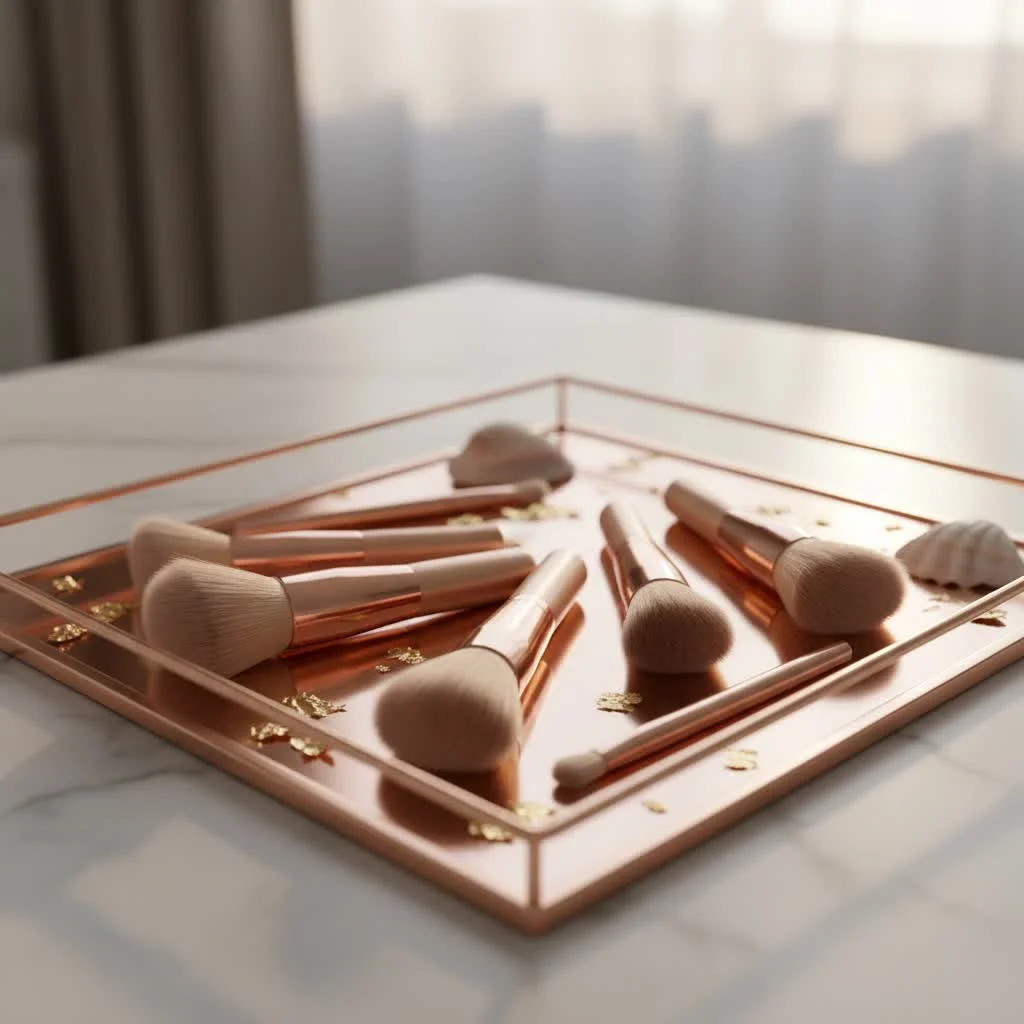
Why Natural Bristles Stand Out
The unique structure of natural hair bristles truly sets them apart. Unlike their synthetic counterparts, natural fibers possess microscopic cuticles—tiny, overlapping scales that are adept at gripping and distributing powder pigments evenly. This characteristic allows natural brushes to pick up a significant amount of product, facilitating a smooth, diffused, and airbrushed finish that is often difficult to achieve with synthetic brushes.
The porous nature of natural bristles means they hold onto powders exceptionally well, slowly releasing pigment as you blend. This allows for buildable coverage, preventing makeup from appearing patchy and ensuring a seamless transition of color, especially for eyeshadows, blush, bronzer, and setting powders. Many users find that natural brushes tend to improve over time, becoming even softer with consistent use and proper care.
Ideal Applications
Natural bristle brushes are the preferred choice for a range of powder-based makeup products due to their superior blending and product pick-up. They excel in applying:
- Eyeshadows: The soft, flexible bristles allow for effortless blending and seamless color diffusion across the eyelids.
- Blushes and Bronzers: Achieve a natural, sun-kissed glow or a perfectly sculpted cheekbone with the even distribution these brushes provide.
- Setting and Finishing Powders: Lock in your makeup with a light, even veil of powder for a polished, long-lasting look.
- Highlighters: Apply shimmer and glow with precision and a beautifully blended effect.
Longevity and Care: Keeping Your Natural Bristles Pristine
|
Our Picks for the Best Makeup Brushes in 2026
As an Amazon Associate I earn from qualifying purchases.
|
||
| Num | Product | Action |
|---|---|---|
| 1 | LAURA GELLER NEW YORK Cosmetic Professional Makeup Brushes - Cruelty-Free - 05 Full Face Brush Set 5pc |

|
| 2 | EcoTools Sea Gems Cream Blush Brush, Liquid & Cream Blush Makeup Brush for Smooth Buildable Cheek Color, Dense Rounded Bristles, Sustainable Design, Vegan & Cruelty-Free, 1 Count |
|
| 3 | BS-MALL Makeup Brushes Premium Synthetic Foundation Powder Concealers Eye Shadows 14 Pcs Purple for Makeup Beginner or Professional with Travel Case |
|
| 4 | Flat Top Kabuki Foundation Brush By KESHIMA - Premium Makeup Brush for Liquid, Cream, and Powder - Buffing, Blending, and Face - 1.2\" Top Diameter |
|
| 5 | BS-MALL Makeup Brush Set 18 Pcs Premium Synthetic Foundation Powder Concealers Eye shadows Blush Makeup Brushes with black case |
|
| 6 | BS-MALL Professional Makeup Brush Set 18 Pcs Premium Synthetic Foundation Powder Concealers Eye Shadows Blush Makeup Brushes with Travel Case (Matte white beige) |
|
| 7 | MAANGE 20 Pcs Makeup Brushes with Gift Box, Double-End Multi-functional Makeup Brushes for Blending Liquid Powder Concealer Cream Blush Buffe,CoffeeBrown |
|
| 8 | BEAKEY Makeup Brushes Set, Professional Foundation Eyeshadow Concealer Blush Powder Bronzer Applicator, 2 Blender Sponge with Beauty Paper Case |
|
| 9 | Professional Makeup Brushes BS-MALL With Travel Case - Kabuki Brush Eyeshadow Brush, Concealer Brush, Blush Brush Bronzer & Foundation Brush 20 Pcs, Labeled Daily Use & Versatile Occasions Gift Box |
|
| 10 | 1/2 PCS Lymphatic Contour Face Brush for Sculpting – Anti-Puffiness, Detox & Lift, Improves Skin Glow & Absorption (1 Pcs Contour Face Brush) |
|
While natural bristle brushes are an investment, their durability can span years with the right maintenance. However, their porous nature, which makes them excellent for powders, also means they can trap makeup, oil, and dirt, necessitating careful cleaning.
To ensure your natural brushes remain soft and effective, follow these guidelines:
- Regular Spot Cleaning: Between deep washes, wipe off excess product onto a microfiber towel. For quick sanitization, especially for those with oily or acne-prone skin, a no-rinse spray cleanser with food-grade alcohol can be used.
- Bi-Monthly Deep Cleaning: Every 1-2 months, deep clean your brushes using a gentle brush cleanser or a mild shampoo (baby shampoo is often recommended for natural hair).
- Wet the Bristles: Hold the brush tip downward under lukewarm running water, being careful to avoid getting the metal ferrule wet. Water in the ferrule can degrade the glue holding the bristles and handle together.
- Lather and Swirl: Swish the wet brush into your cleanser to create a lather. Gently massage the bristles in the palm of your hand to release makeup pigment.
- Rinse Thoroughly: Rinse the brush again under lukewarm running water, pointing the tip downward, until the water runs clear and all soap is removed.
- Reshape and Dry: Gently squeeze out excess water with a clean towel and reshape the brush head. Place brushes flat on a towel with the tips hanging off the edge of a counter or use brush guards to help maintain their shape. Allow them to dry upside down overnight to prevent water from seeping into the ferrule. Avoid drying brushes upright in a container.
- Avoid Harsh Products: Steer clear of harsh detergents or hot water, which can damage the delicate natural hairs.
Considerations: Cost, Allergies, and Ethics
Natural bristle brushes typically come with a higher price tag than synthetic options due to the sourcing and hand-crafting processes involved. Some individuals may also experience allergic reactions to animal hair, leading to skin irritation. Ethical concerns regarding animal welfare are a factor for consumers who prefer cruelty-free beauty products. For those with sensitive skin or ethical considerations, synthetic brushes have advanced significantly, offering many of the benefits of natural bristles without these drawbacks.
The choice to incorporate natural bristle makeup brushes into your routine depends on your specific makeup habits, product preferences, and personal values. Many choose to use a combination of both natural brushes for powders and synthetic brushes for liquids and creams to achieve a comprehensive and flawless application for every makeup need.
Frequently Asked Questions
What are the main benefits of using natural bristle makeup brushes?
Natural bristle makeup brushes offer superior blending and product pick-up, especially for powder-based makeup. Their microscopic cuticles effectively grip and distribute pigments, creating a smooth, diffused, and airbrushed finish that is difficult to achieve with synthetic brushes.
How often should I deep clean my natural bristle makeup brushes?
You should deep clean your natural bristle makeup brushes every 1-2 months. Regular deep cleaning helps remove trapped makeup, oil, and dirt, ensuring the brushes remain soft and effective for optimal performance.
Can natural bristle brushes be used for liquid or cream makeup products?
Natural bristle brushes are primarily recommended for powder-based makeup products due to their porous nature. For liquid or cream formulations, synthetic brushes are generally preferred as they do not absorb product as much and are easier to clean.
What types of animal hair are commonly used for natural makeup brushes?
Common types of animal hair used for natural makeup brushes include goat, squirrel, and sable. Each type offers unique characteristics in terms of softness and flexibility, contributing to different application effects.
What are the ethical considerations when choosing natural bristle brushes?
Ethical concerns regarding animal welfare are a significant factor for consumers. Many individuals prefer cruelty-free beauty products, leading them to choose synthetic alternatives over natural bristle brushes made from animal hair.
How to Clean Natural Bristle Makeup Brushes
Maintain the longevity and effectiveness of your natural bristle makeup brushes with this bi-monthly deep cleaning guide.
Between deep washes, gently wipe off excess product onto a microfiber towel. For quick sanitization, especially for oily or acne-prone skin, use a no-rinse spray cleanser with food-grade alcohol.
Hold the brush tip downward under lukewarm running water, being careful to avoid getting the metal ferrule wet. Water in the ferrule can degrade the glue holding the bristles and handle together.
Swish the wet brush into a gentle brush cleanser or mild shampoo (baby shampoo is recommended) to create a lather. Gently massage the bristles in the palm of your hand to release makeup pigment.
Rinse the brush again under lukewarm running water, pointing the tip downward, until the water runs clear and all soap is removed. Ensure no residue remains in the bristles.
Gently squeeze out excess water with a clean towel and reshape the brush head. Place brushes flat on a towel with the tips hanging off the edge of a counter or use brush guards. Allow them to dry upside down overnight to prevent water from seeping into the ferrule; avoid drying brushes upright in a container.
Build a cleanser routine that actually works
Free PDF — pH data on 22 popular cleansers + simple routine card.
I’ve been using natural bristle brushes for years, and this guide really hit the nail on the head. The way they blend eyeshadows is just unmatched; I can never get that same diffused look with synthetic brushes. Taking care of them properly, especially with gentle cleaning, really makes a difference in their longevity and performance. Definitely worth the investment for powder products.
I recently switched to natural bristle brushes, specifically a goat hair blush brush, and the difference in how my blush applies is incredible. It picks up just the right amount of product and gives such a soft, airbrushed finish. I was a bit worried about the care routine, but it’s actually pretty straightforward. My only minor gripe is the initial shedding, but it stopped after a few washes.
As a professional, I can attest to the superior blending capabilities of natural bristle brushes. The microscopic cuticles really do make all the difference in gripping and distributing pigments evenly. I primarily use them for intricate eye looks and find that they allow for much better control and buildable coverage compared to synthetic options. They’re a staple in my kit.
I wanted to love these brushes, especially for setting powder, because everyone raves about the seamless finish. While the application is definitely smooth, I found that the sable hair brush I got was a bit too delicate for my everyday use. It felt luxurious, but I’m always worried about damaging it when I clean it. I might stick to a blend for some of my more frequently used tools.